
A Failure to Launch
Play A Failure to Launch
A Failure to Launch Screenshots









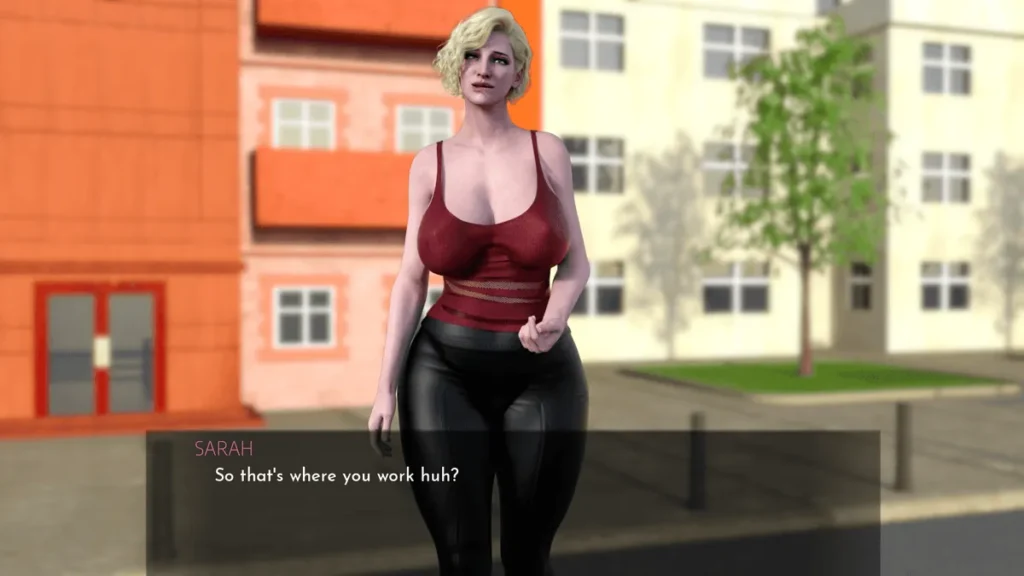
A Failure to Launch review
Mastering the Tactics and Secrets of This Engaging Adult Adventure
Ever felt stuck in a loop of tough battles and tricky choices? That’s ‘A Failure to Launch’ for you—a captivating indie game blending tactical combat with mature storytelling. I remember my first playthrough: hours grinding through enemy backlines, only to wipe out because I skipped the right skill upgrades. If you’re diving into this gem, you’re in for strategic depth with thieves sneaking crits, wizardesses hurling fireballs, and priestesses extending attack ranges. This guide breaks it all down, from core mechanics to DLC triumphs, helping you launch past every failure. Let’s turn those setbacks into victories together.
How to Conquer A Failure to Launch Basics?
I still remember my first hour with A Failure to Launch. 🤦♂️ I’d created my party, wandered into the Ruins of Limis, and got absolutely hammered by the first real mob of Gremlins. My priestess was down, my wizardess was out of mana, and my thief was… well, trying to stab a heavily armored foe head-on. It was a mess. I was trying to play it like a straight-up brawler, and the game punished me for it. Hard. That initial frustration, though, was the best teacher. It forced me to stop, re-evaluate, and finally understand what makes A Failure to Launch gameplay so uniquely rewarding. It’s not about brute force; it’s a chess match where every move, every skill point, and every positional decision matters.
This chapter is the guide I wish I’d had. We’re going to break down the core of tactical combat in A Failure to Launch, explore some foundational A Failure to Launch character builds, and steer you clear of the early mistakes that can stall your adventure before it even begins. Let’s turn that initial failure into your first major success.
What Makes A Failure to Launch Gameplay Tick? ⚙️
At its heart, A Failure to Launch is a game of exquisite precision and risk management. The tactical combat in A Failure to Launch is turn-based, but with layers of depth that go far beyond “move and attack.” Positioning is god. Your party’s formation on the grid isn’t just for looks; it directly powers your abilities and exposes your weaknesses.
My “eureka” moment came during a rematch with that same Gremlin pack. I’d read a tooltip about my thief’s Backstab passive, which grants a massive critical hit chance if no allies are adjacent at the start of her turn. I’d been keeping my party clumped together for “safety.” Rookie error. 😅 This time, I sent my thief on a wide flank. She ended her turn isolated. On her next turn, with no friends nearby, she activated her passive and eviscerated the Gremlin leader with one glowing, critical strike. The fight was over in two more turns.
That’s the rhythm you need to master. It’s a dance of setting up these powerful conditional attacks while managing aggro and survival. The game constantly presents you with trade-offs. For instance, a passive that says “Take 50% less damage when at full HP” sounds amazing, right? In practice, it’s a trap. In A Failure to Launch gameplay, chip damage and area-of-effect attacks are inevitable. You will rarely be at full HP after the first exchange, making that passive useless for 90% of any tough fight. It’s better to invest in passives that are always active or have more reliable triggers.
Understanding enemy patterns, especially in early zones like the Ruins of Limis, is part of this. Melee enemies will rush your backline. Archers will target your lowest-defense character. You use this to your advantage—lure them into choke points, bait attacks onto your tankier characters, and create the perfect openings for your heavy hitters. This foundational understanding of the flow is more important than any single best skill in A Failure to Launch.
Essential Character Builds for Early Success 🛡️⚔️
You can’t talk strategy without diving into A Failure to Launch character builds. Your party composition and how you develop each character from Level 1 will define your entire experience. Let’s look at three core builds that will carry you through the early and mid-game.
First, the cornerstone of any good party: the Thief Crit Strategy. This isn’t just a way to play the thief; it’s the way. You must prioritize the Lone Wolf and Vital Strike passives. The goal is simple: keep your thief solo to guarantee those devastating critical hits. This means careful movement and using other party members to “clear” spaces, not to support her directly in combat. For skills, max out Precise Strike first—it’s your reliable, high-damage single-target nuke. This thief crit strategy turns her from a minor annoyance into your primary boss-melter.
Next, let’s talk about the Wizardess Fireball Build. Yes, she has a variety of spells, but Fireball is your workhorse. Upgrading it increases its damage and, crucially, its blast radius. The genius—and risk—of the wizardess lies in her unique Experimental Casting passive: +10% critical chance, but a 5% base chance for the spell to fail entirely. Nothing is more heartbreaking than lining up the perfect Fireball on three enemies only to have it fizzle. 🧨💥 This is where gear and exploration rewards come in. The Tome of Arcane Clarity book set, found in the Ruins, reduces spell failure chance by 1% per piece. More importantly, the “Futon” DLC staff (or similar end-game staves) completely negates the failure chance, making this passive pure, glorious upside.
Finally, don’t underestimate your Priestess. Her role is often misunderstood. While she heals, her attack range is a secret weapon. The Divine Reach passive gives her spells and basic attacks extra range, with only a minor precision malus. This allows her to sit safely behind your front line, applying debuffs like Weaken or finishing off low-health enemies without ever moving into danger. Prioritizing this priestess attack range early means she contributes to damage and control while always being in position to heal. It makes her incredibly versatile and action-efficient.
Pro Tip: Your first skill points should almost always go into unlocking and upgrading active skills before passive ones. A Level 2 Fireball or a Level 2 Heal is a tangible power spike that you feel immediately in tactical combat in A Failure to Launch.
Here are my top 5 beginner tips for positioning and skills:
* Isolate Your Thief: Make her a lone predator. Her turn should often be spent moving away from the group to secure her crit passive.
* Max Fireball First: For your wizardess, the area damage and upgrade path are too valuable to pass up for early crowd control.
* Abuse Priestess Range: Use her long reach to apply status effects or secure kills without wasting her movement.
* Skip “Full HP” Passives: They are almost always noob traps due to the prevalence of unavoidable damage.
* Prioritize Active Skills: Unlock your key class-defining actives (like Precise Strike, Fireball, Group Heal) before investing deeply in passives.
Common Pitfalls and How to Avoid Them 🚧
Even with the right builds, it’s easy to stumble. Let’s walk through the most common mistakes I see (and made myself!) so you can sidestep them.
Pitfall #1: The Static Party. The biggest error is treating your formation like a fort. A Failure to Launch gameplay demands fluidity. If your thief needs a clear space, your other characters must move to create it. If your wizardess has a perfect shot lined up, you might need to eat an attack of opportunity with another character to get her into position. Don’t be afraid to take a hit on a resilient character to enable a game-winning move from a damage dealer.
Pitfall #2: Misunderstanding Gear & Books. Gear isn’t just about raw stats. That -1% Spell Failure from a book set is NOT a penalty—it’s a massive bonus for your wizardess! Read item descriptions carefully. A piece of armor that gives “+10% Crit Damage” is far better on your solo thief than on your priestess. Also, don’t ignore consumables. A well-timed grenade or buff potion can turn the tide of a boss fight.
Pitfall #3: Ignoring the Action Economy. Every turn, every action point is precious. Using your priestess to walk and then do a weak basic attack is a waste when she could have used her extended attack range to debuff a key target from safety. The best skills in A Failure to Launch are often the ones that do multiple things at once or that set up future turns. Setting an enemy on fire with your wizardess does damage now and next turn, effectively doubling the value of that action.
Pitfall #4: Brute Force Over Tactics. This was my original sin. You cannot simply overpower enemies as you get deeper into the Ruins of Limis and beyond. You must observe. Which enemy acts first? Can you disable it? Is there an environmental hazard you can push them into? The game rewards cleverness. Using a shove skill to knock a melee enemy two squares away, wasting its entire next turn moving, is often smarter than attacking it.
The beauty of A Failure to Launch is that every failure teaches you something. That boss that crushed you? It probably exposed a flaw in your positioning or a gap in your A Failure to Launch character builds. Go back, tweak your skills, adjust your tactics, and you’ll find that the same fight becomes manageable, then easy, then a masterpiece of executed strategy. Remember, the core loop isn’t just about winning fights—it’s about solving the intricate puzzle of tactical combat in A Failure to Launch with the tools your builds provide.
To summarize the core strengths and trade-offs of each character’s key approach, here’s a quick comparison:
| Character | Key Passive / Build | Core Advantage | Key Risk / Management |
|---|---|---|---|
| Thief | Lone Wolf (Crit when solo) | Highest single-target burst damage in the game. | Requires careful, isolated positioning; can be vulnerable if focused. |
| Wizardess | Experimental Casting (Fireball Build) | Unmatched area damage and crowd control potential. | Base 5% spell failure chance must be mitigated through gear (e.g., Futon staff) or book sets. |
| Priestess | Divine Reach (Extended Range) | Safe, consistent utility and healing from a distance; great action economy. | Lower direct damage output; the precision malus requires prioritizing closer, safer targets. |
Stick to these principles, and you’ll move from feeling like a failure to truly launching your party towards victory. 🚀 Your journey through the deeper, more challenging areas of the game will be built on this solid foundation of understanding A Failure to Launch gameplay inside and out. Now go forth and tackle those Ruins with confidence
Wrapping up your journey in ‘A Failure to Launch’, remember the thrill of that perfect thief crit or wizardess fireball chain—it’s all about smart choices over raw power. From Ruins of Limis grinds to futon DLC mastery, you’ve got the tools to dominate every encounter. My own runs transformed from frustrating wipes to epic wins once I nailed those builds. Dive back in, experiment with strategies, and share your triumphs in the comments. Ready to launch successfully? Grab your party and conquer—your next victory awaits!