Demons of the Hearth
Play Demons of the Hearth
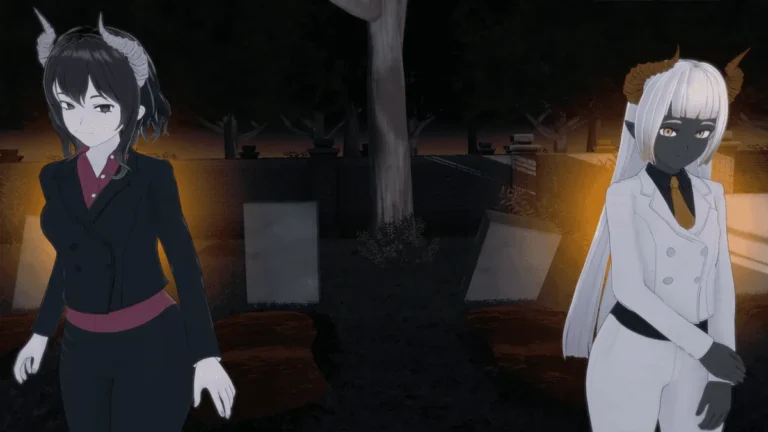
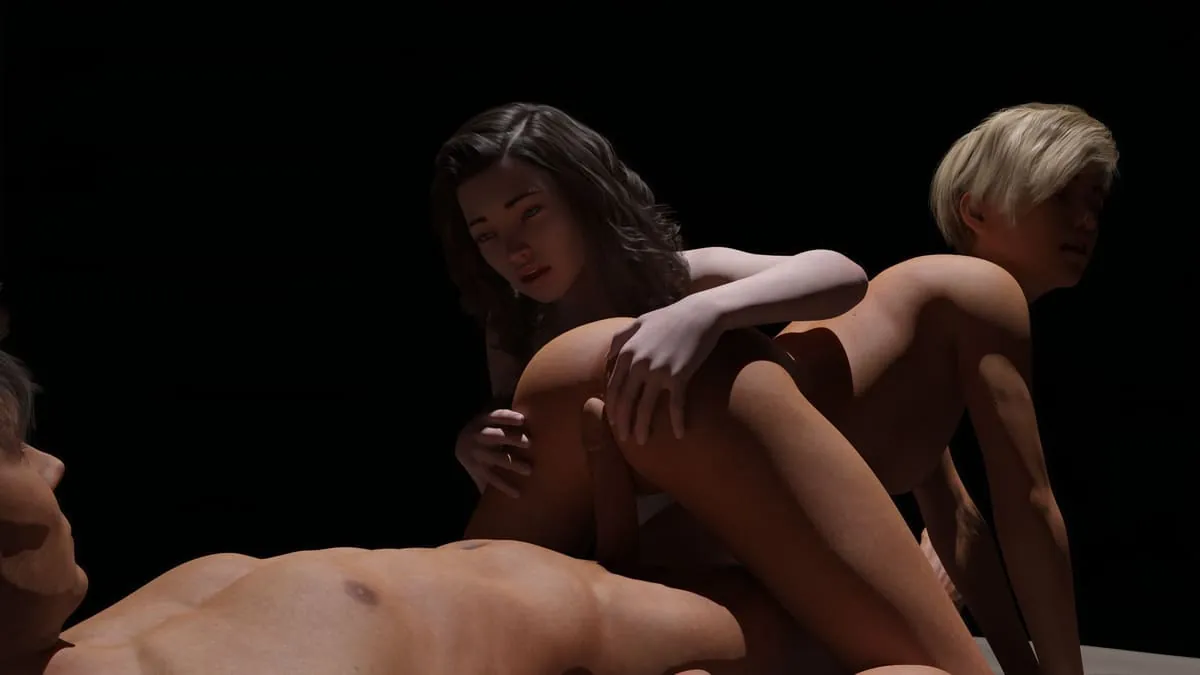
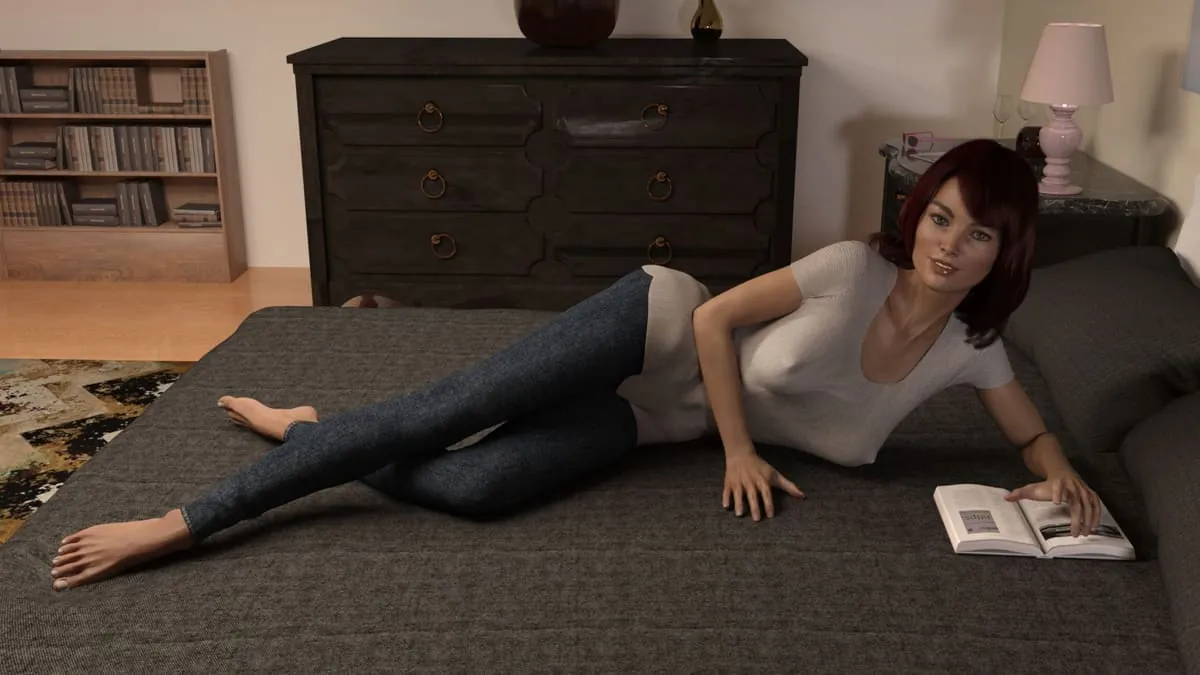
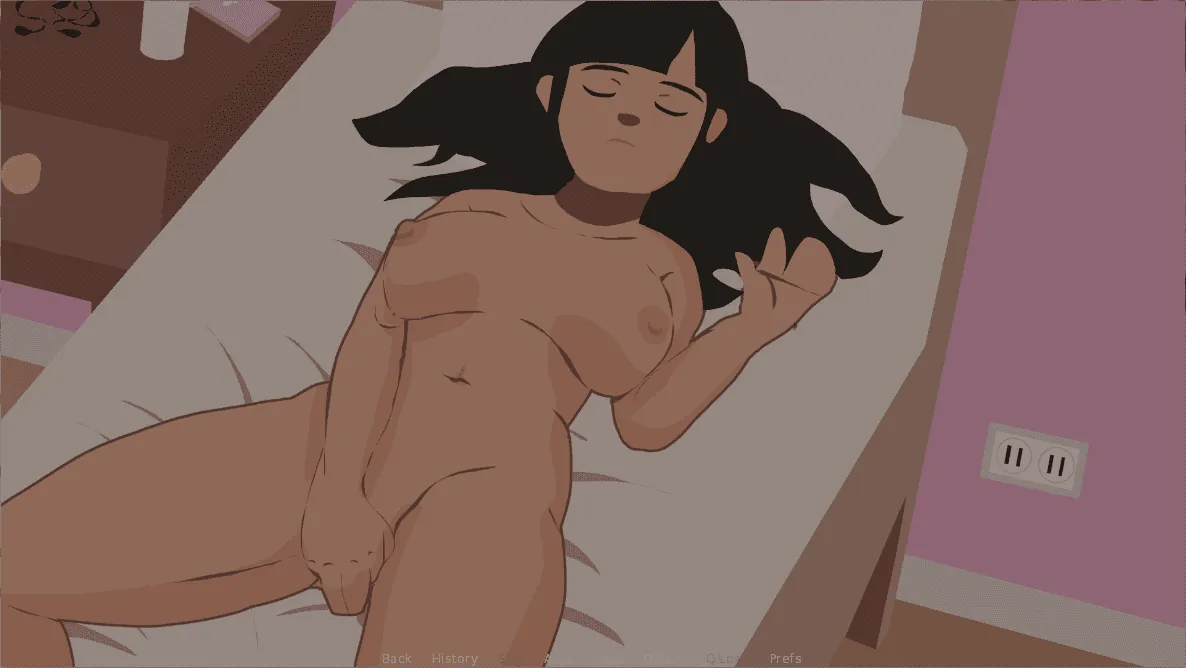
Demons of the Hearth Screenshots
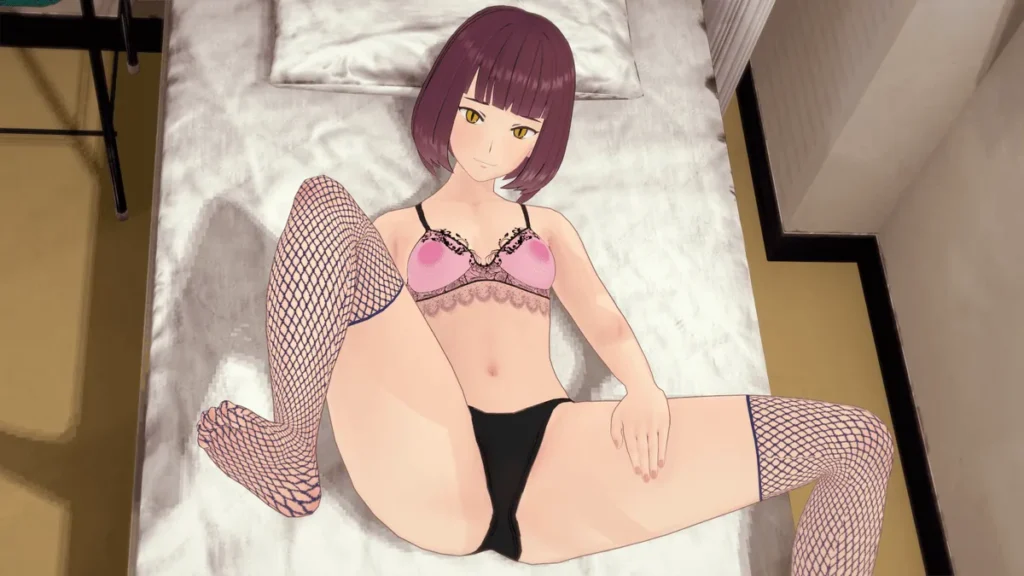
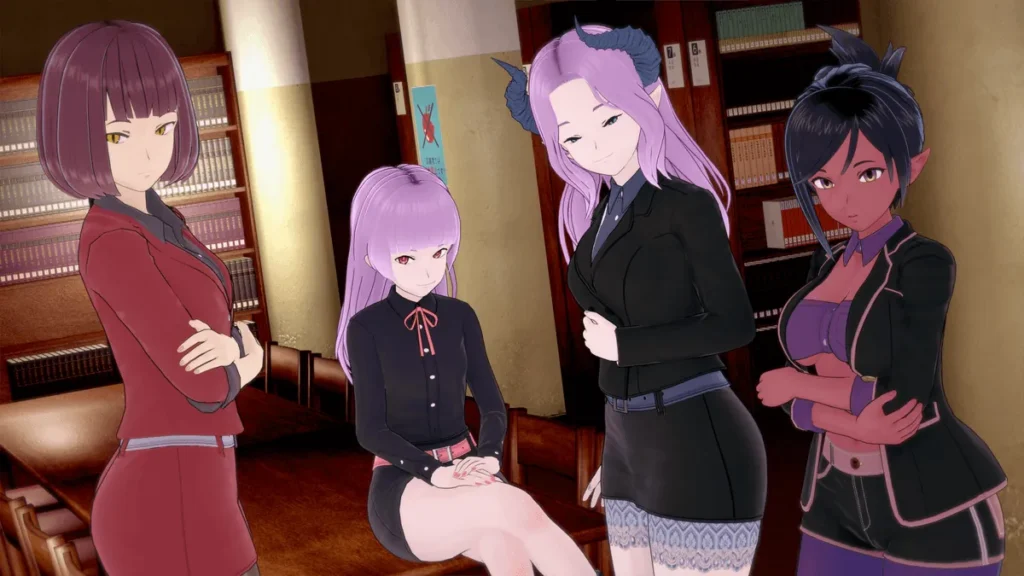
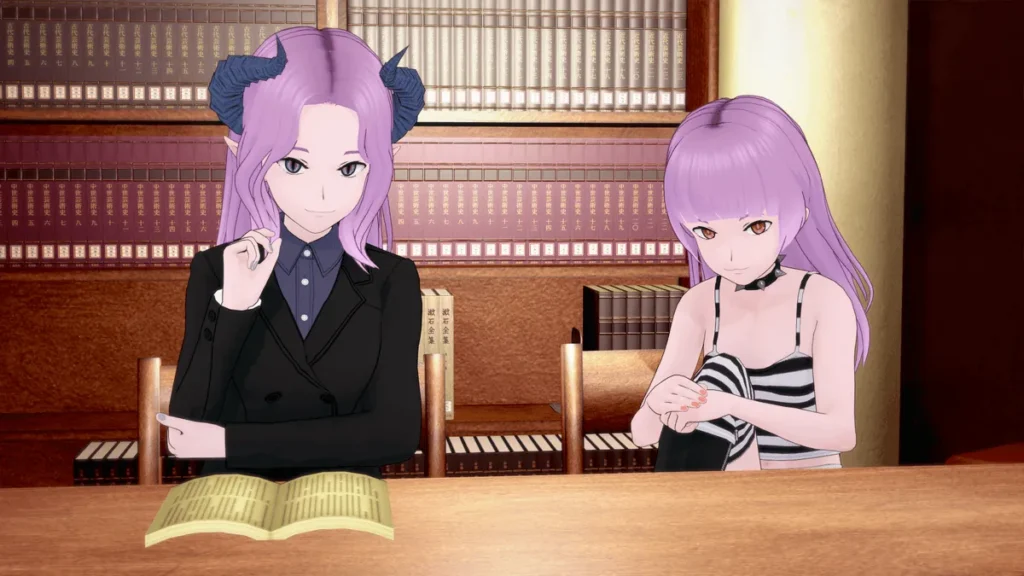
Demons of the Hearth review
Exploring the storytelling, character development, and gameplay mechanics that make this adult visual novel a standout title
Demons of the Hearth stands out as one of the most critically acclaimed adult visual novels in the indie gaming space. This interactive narrative experience has garnered significant praise from players who appreciate its compelling storytelling, well-developed characters, and immersive world-building. Unlike many titles in its genre, Demons of the Hearth prioritizes narrative depth and character complexity alongside its adult content. The game has earned recognition for delivering hours of engaging content that goes far beyond surface-level appeal. Whether you’re interested in visual novels, interactive fiction, or simply looking for a game with exceptional writing and character arcs, understanding what makes Demons of the Hearth special can help you decide if it’s worth your time.
What Makes Demons of the Hearth Stand Out in the Visual Novel Genre
Let’s be honest, the landscape of indie visual novel games can feel crowded. You scroll through pages of promising premises, only to find stories that fizzle out or characters that feel like cardboard cutouts. I’ve been there, clicking through beautiful art only to feel my interest wane by the second chapter. 😴 That’s why discovering a title that genuinely hooks you—heart, mind, and soul—feels like striking gold. 🎉
Enter Demons of the Hearth. This isn’t just another entry in a library; it’s a masterclass in adult visual novel storytelling that respects your intelligence and demands your emotional investment. It stands as a towering example of what the genre can achieve, seamlessly weaving complex themes with intimate character drama. If you’re searching for a list of the best adult visual novels, this title isn’t just on it—it deserves its own spotlight. ✨
So, what’s the secret sauce? What transforms this game from a simple interactive story into an experience players passionately discuss and dissect? Let’s pull back the curtain and explore the three core pillars that make Demons of the Hearth a unforgettable journey.
Exceptional Storytelling and Narrative Structure
Many visual novels offer a passive experience—a story you observe, with choices that feel more like decorative forks in the road than true navigational tools. Demons of the Hearth flips this script entirely. Its power lies in a visual novel narrative structure that is both meticulously planned and thrillingly unpredictable. This isn’t a linear tale from point A to B; it’s a living, breathing saga where your attention and deductions are part of the gameplay.
The foundation is a world gripped by oppression and conflict, a setting that goes far beyond simple backdrop. The narrative dives headfirst into serious themes—systems of control, personal sacrifice, and the cost of rebellion. This gravity provides a sturdy backbone for the entire experience. The adult visual novel storytelling here isn’t “adult” merely for mature content; it’s adult in its thematic maturity, treating its subject matter with the complexity and respect it deserves. 🧠
But a weighty theme is nothing without execution. Demons of the Hearth excels at pacing and suspense. It masterfully plants seeds of doubt, reveals information with deliberate timing, and constructs a palpable sense of paranoia. You’re not just reading about a thriller; you’re living inside one. The game keeps you perpetually off-balance, questioning allegiances and motives, which transforms every new scene into a potential revelation. This is where the Demons of the Hearth gameplay shines in its narrative form—the primary mechanic becomes your own active curiosity.
A seasoned visual novel player, Maya, put it perfectly: “I found myself thinking about the characters when I wasn’t playing. I’d be at work, worrying about Kael’s next move or if Elara was walking into a trap. The game doesn’t just tell you a story; it makes you a co-conspirator in its tension. I haven’t felt that kind of narrative grip in years.”
This testimonial hits the nail on the head. The structure is designed to create that exact kind of investment. Early chapters establish the world and rules through more traditional interaction, but as trust is built and shattered, the experience evolves. The presentation becomes more cinematic, with visuals and music working in concert to deliver powerful, plot-critical moments. It’s a brilliant transition—you move from learning about the world to being utterly immersed in its climactic moments. The visual novel narrative structure actively rewards your patience and engagement with escalating stakes and payoff.
Character Development and Relationship Dynamics
If the plot is the skeleton, the characters are the beating heart. This is where Demons of the Hearth truly separates itself from the pack. Character development in visual novels often follows safe, predictable arcs. Here, it feels dangerous, authentic, and heartbreakingly human. The cast is not a collection of tropes waiting to be “unlocked,” but complex individuals shaped by a harsh world, each carrying their own demons (literal and figurative).
The genius lies in the game’s focus on relationship dynamics over simple romance paths. Your choices don’t just fill a “affection meter” for a single character; they influence the delicate web of trust, loyalty, and strategy between the entire cast. Helping one ally might inadvertently alienate another. A moment of perceived kindness could be viewed as a strategic weakness by someone else. This creates a fantastically messy and realistic social ecosystem. You’re not pursuing a date; you’re trying to keep a fragile alliance from collapsing under external pressure and internal mistrust. 💔
Let’s look at how this plays out with two central figures, whose roles are defined by more than just their relationship to the player:
| Character | Initial Role & Facade | Core Conflict & Development |
|---|---|---|
| Kael | The seemingly cynical and weary veteran, burdened by past failures. | His journey is about reclaiming purpose without repeating past mistakes. Does he protect the group through isolation or vulnerable leadership? His growth is measured in slowly lowered guards and hard-won trust. |
| Elara | The idealistic and driven heart of the resistance, a beacon of hope. | She battles the corrosion of her own ideals. How much compromise is too much? Her development is a poignant struggle to hold onto her light while navigating necessary darkness, making her triumphs and despairs deeply personal. |
This depth is what fuels the emotional engine. You aren’t just making choices to see a “good ending.” You’re making choices because you’ve come to care what happens to these people. The worry a player feels when Elara takes a risk isn’t about losing a story branch—it’s about the potential loss of a character you’ve fought alongside and grown to understand. The game brilliantly ties its Demons of the Hearth gameplay to this emotional core; your decisions carry the weight of consequence for people who feel real.
The character development in visual novels reaches its peak in how characters react to the world and each other. Dialogues are layered with subtext, history, and unspoken tension. A shared glance between two characters after a major event can convey more than pages of exposition. This subtlety encourages you to read between the lines, to become an active interpreter of relationships, which is the highest form of engagement an interactive story can ask for.
World-Building and Atmospheric Design
A great story with compelling characters can still fall flat if the world around them feels like a painted backdrop. Demons of the Hearth avoids this pitfall by treating its setting as a character in its own right. The world-building isn’t delivered through dense lore dumps; it’s baked into the atmosphere, the visuals, the soundscape, and the very texture of everyday life for its inhabitants. 🌆
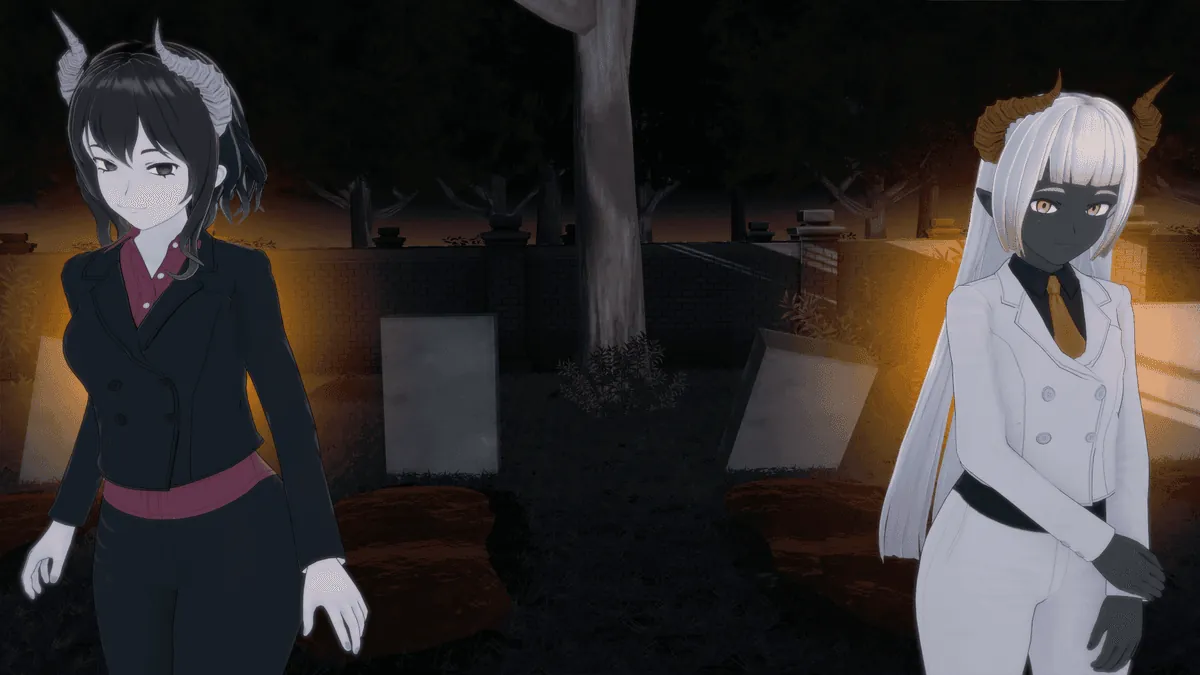
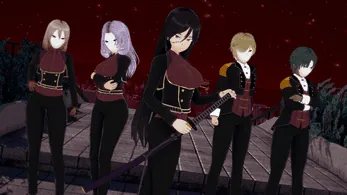
From the moment you start, the atmosphere is tangible. The art direction uses a muted, often oppressive color palette that perfectly reflects the game’s themes of control and struggle. Glimmers of warmth and color are reserved for rare moments of safety or connection, making them profoundly impactful. The soundtrack is a character all its own—a mix of haunting ambient tracks for moments of tension and sparse, melancholic melodies for scenes of reflection or loss. You don’t just see and read this world; you feel it. The chill of a surveillance state, the claustrophobia of a hidden safehouse, the fleeting beauty of a shared memory—all are communicated through this stellar atmospheric design.
This immersive quality is a hallmark of the best indie visual novel games. Without the budget of a AAA studio, they leverage cohesive artistic vision to create a unique and absorbing identity. Demons of the Hearth uses its tools with precision:
- Environmental Storytelling: The state of a character’s living space, the propaganda posters on a city wall, the wear and tear on equipment—all tell silent stories about life under oppression.
- Sound Design: The echo of footsteps in an empty hallway, the muffled sound of a distant argument, the unsettling silence of a monitored district. These details build unease and sell the reality of the setting.
- Pacing through Presentation: The game knows when to let a scene breathe. A long, silent shot of a rainy cityscape after a tense confrontation isn’t just a loading screen; it’s a moment for you, the player, to process what just happened alongside the characters.
This rich atmosphere directly feeds back into the Demons of the Hearth visual novel experience. The world feels lived-in and consequential. The oppression isn’t an abstract concept; it’s in the tired faces of NPCs, in the barred windows, in the characters’ constant, low-grade anxiety. This makes the stakes of their rebellion feel terrifyingly real. You understand exactly what they’re fighting against because you’ve been steeped in its ambiance for hours. The world-building serves the ultimate goal of all great stories: total immersion.
So, what’s the final verdict? What are the tangible takeaways that make Demons of the Hearth more than the sum of its already impressive parts? Let’s distill its excellence into a few key features that set a new bar for the genre:
- Narrative Trust: It respects your intelligence, presenting a complex plot without hand-holding, making you an active detective in its thriller.
- Emotional Calculus: Choices are framed around impactful relationship dynamics and survival, not just romance, creating meaningful, often difficult decisions.
- Thematic Courage: It boldly tackles mature themes of oppression and moral compromise, using its adult context to enhance serious storytelling, not detract from it.
- Atmospheric Mastery: World-building is achieved through immersive art and sound design, making the setting a powerful, felt presence rather than just a premise.
- Evolving Engagement: The experience smartly transitions from interactive groundwork to cinematic payoff, mirroring the story’s own rising action and keeping the Demons of the Hearth gameplay feeling fresh.
In a genre where it’s easy to settle for pleasant distractions, Demons of the Hearth aims for—and achieves—something far greater: a memorable, affecting, and intellectually stimulating experience. It demonstrates the incredible potential of adult visual novel storytelling when it’s wielded with vision, care, and a deep understanding of how to make pixels and text feel profoundly human. It’s not just a game you play; it’s a story you inhabit, and its echoes linger long after the final choice is made. 🕯️
Demons of the Hearth represents a significant achievement in adult visual novel development, proving that games in this genre can deliver compelling narratives, complex characters, and meaningful player choices without sacrificing depth for content. The game’s success stems from its commitment to world-building, character development, and storytelling that keeps players emotionally invested from beginning to end. Whether you’re drawn to interactive fiction, character-driven narratives, or simply looking for a game that respects your intelligence while entertaining you, Demons of the Hearth offers a unique experience that has earned its place among the most respected titles in the indie visual novel community. If you appreciate thoughtful storytelling, well-developed characters, and the freedom to shape your relationships through meaningful choices, this game deserves a spot on your playlist.