Imperium Bureaucracy Hero
Play Imperium Bureaucracy Hero
Imperium Bureaucracy Hero Screenshots

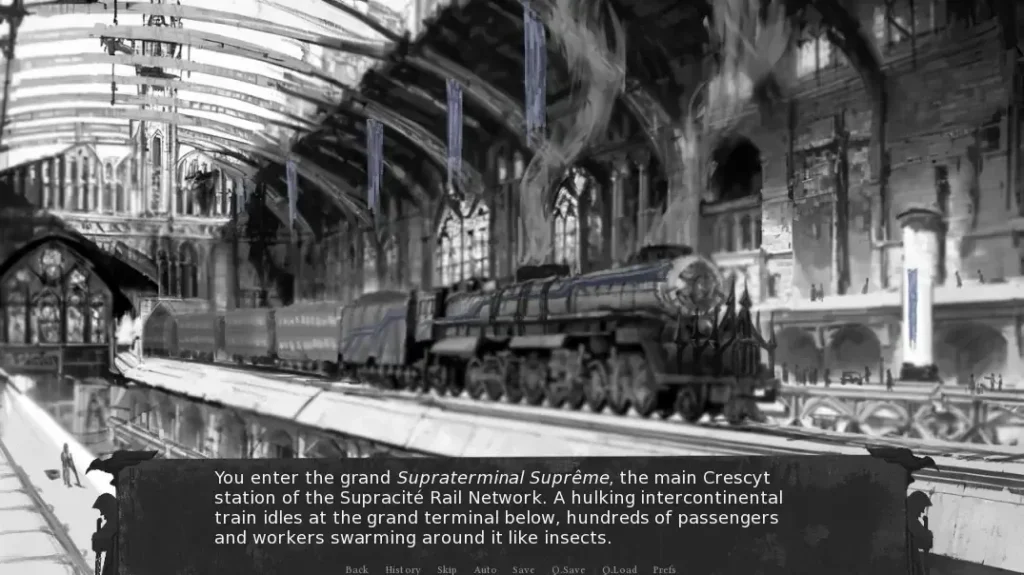
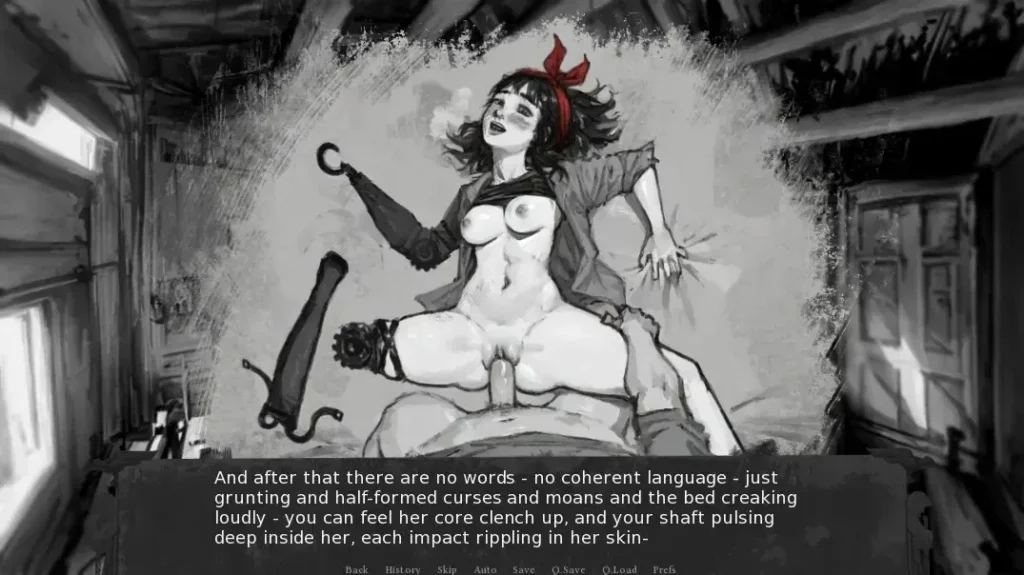
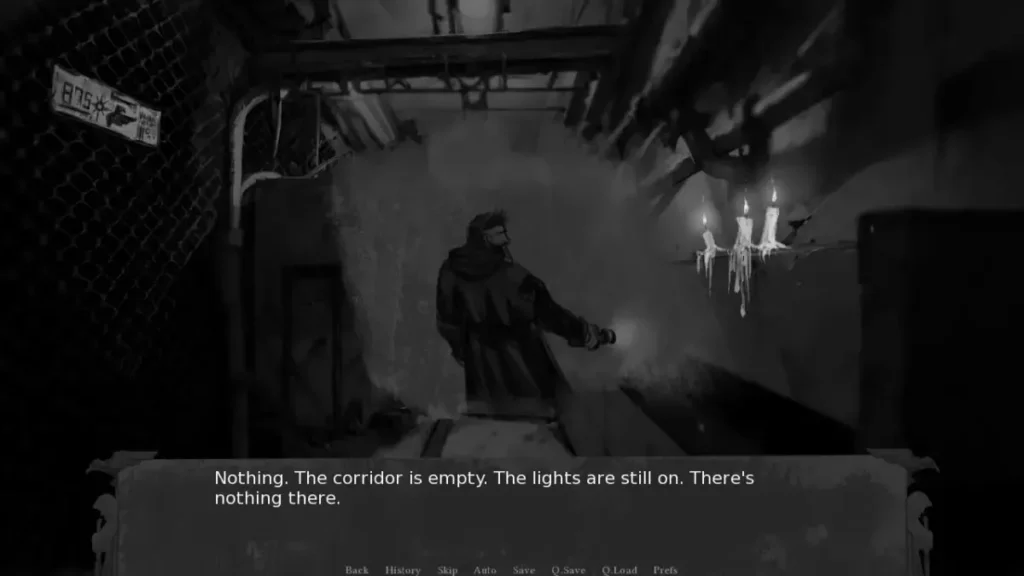
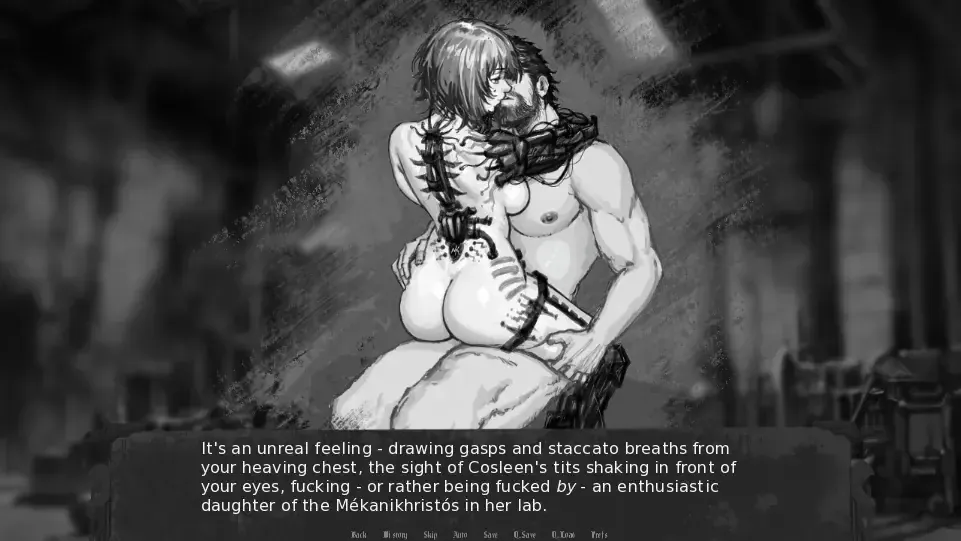
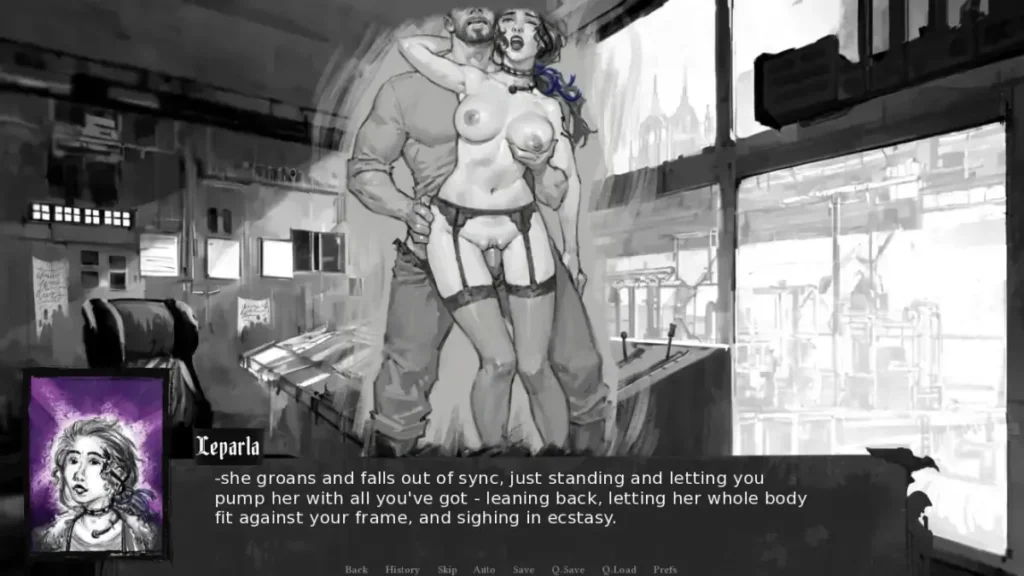
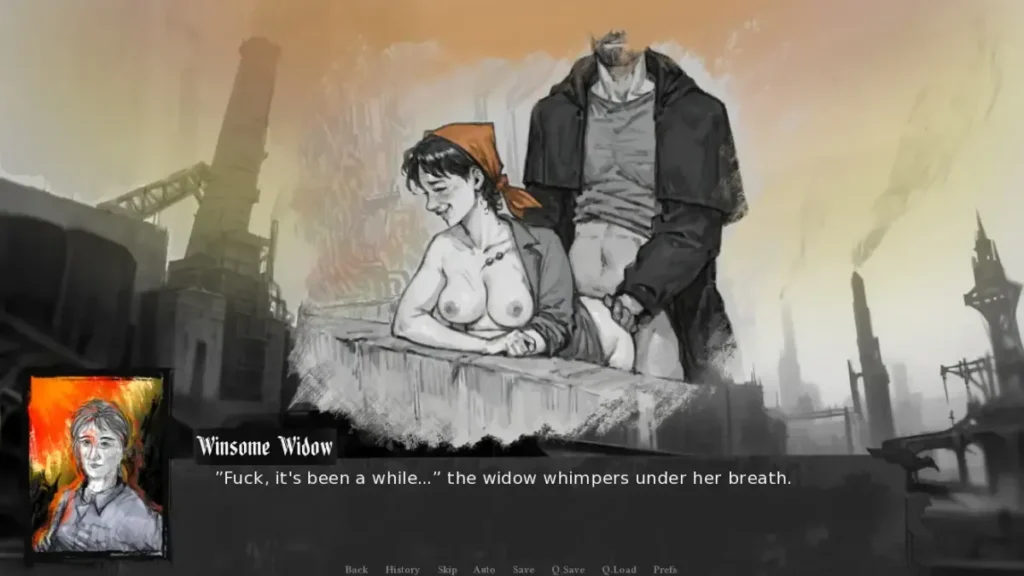
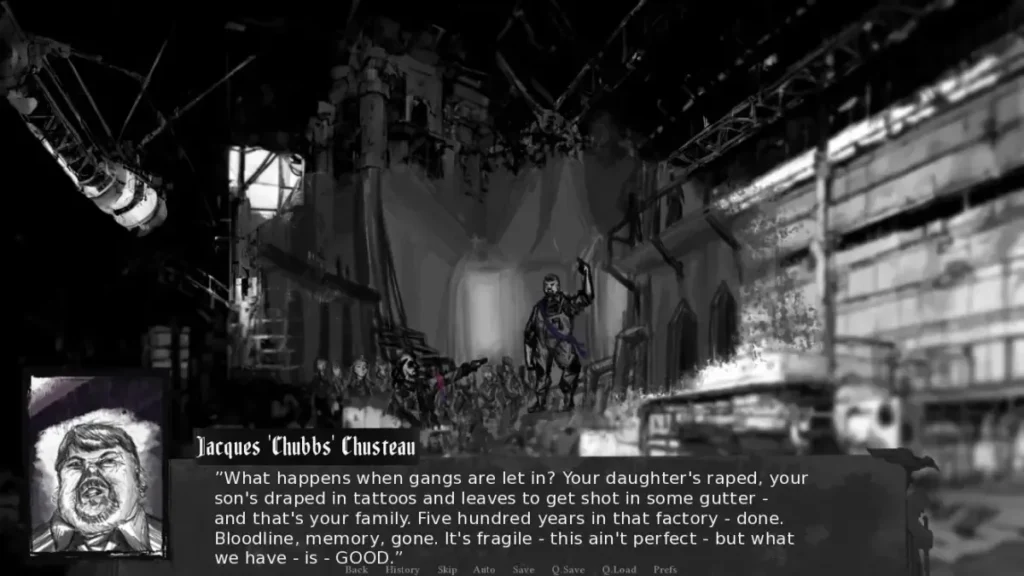
Imperium Bureaucracy Hero review
Exploring gameplay mechanics, narrative depth, and what makes this indie title stand out
Imperium Bureaucracy Hero has emerged as a uniquely engaging indie title that blends strategic decision-making with compelling narrative storytelling. Inspired by the Warhammer 40K universe, this game places you in the role of a bureaucrat navigating complex moral choices and administrative challenges. The game’s exceptional writing and character development have garnered significant praise from players who appreciate its depth beyond surface-level gameplay. Whether you’re drawn to narrative-driven experiences or strategic management games, Imperium Bureaucracy Hero offers a fresh perspective on what indie gaming can achieve. This guide explores the game’s core mechanics, character dynamics, and what makes it a standout experience in the indie gaming landscape.
Understanding Imperium Bureaucracy Hero’s Core Gameplay and Mechanics
Let’s be honest, most games cast you as the hero with a sword, a spaceship, or a gun. Your job is to defeat, destroy, and conquer. But what if the most powerful tool at your disposal wasn’t a plasma rifle, but a rubber stamp? 🤔 What if the greatest enemy wasn’t a dragon, but a triplicate form filed in the wrong department? This is the brilliantly bizarre premise of Imperium Bureaucracy Hero.
This indie narrative game flips the script entirely. Instead of battlefield glory, you seek administrative efficiency. Your victory condition isn’t a slain monster, but a successfully processed quota. And let me tell you, navigating this labyrinth of directives, personal agendas, and cosmic red tape is more tense and morally complex than any dungeon crawl I’ve experienced. Welcome to the heart of a truly unique bureaucratic decision-making game.
### What Makes the Bureaucratic Role Unique in Gaming
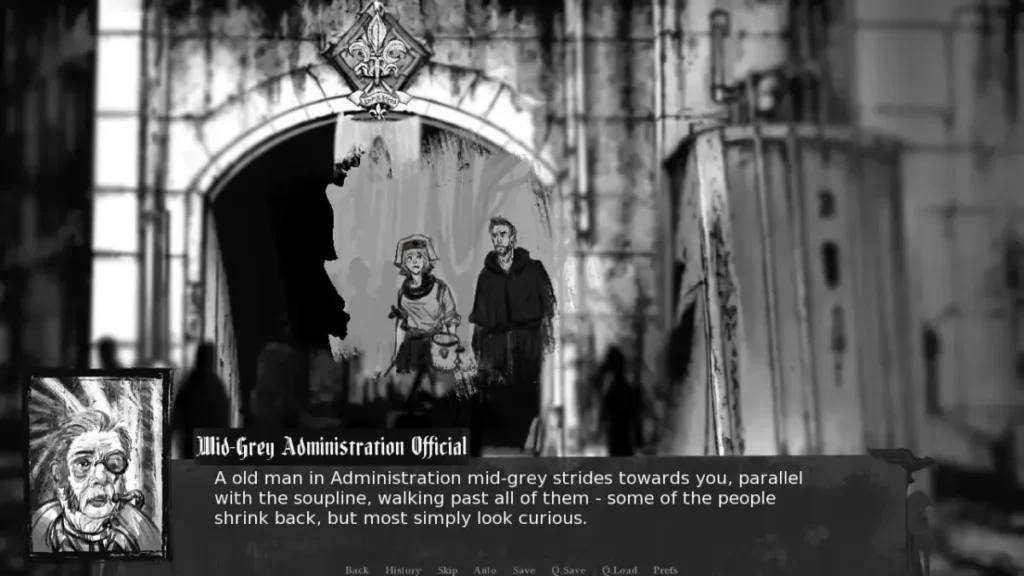
Forget everything you know about power fantasies. In Imperium Bureaucracy Hero gameplay, you are a mid-level functionary within a vast, decaying galactic empire, a concept lovingly inspired by the likes of Warhammer 40K’s Adeptus Administratum. But this game carves its own distinct identity by making you feel the weight of that role. You are not a superhuman warrior; you are a cog. But as you’ll learn, even a cog can choose which way to turn.
Your primary interface is your desk, cluttered with data-slates, pending requests, and personnel files. A typical play session involves you sorting through these requests, which range from the mundane (authorizing sewer repair on a hive world) to the critically urgent (diverting a grain shipment to a starving planet). Your tools are drop-down menus, approval checkboxes, and dialog trees. The genius lies in how these simple actions are charged with consequence.
This shifts the entire skill set of the player. Reflexes are useless. What matters are memory, attention to detail, and ethical reasoning. You must cross-reference edicts, remember which superior favors which department, and predict the ripple effects of your signature. It’s a cerebral puzzle where the pieces are human lives and imperial dogma. The story-driven gameplay mechanics are not layered on top of the action; they are the action. Every form you stamp is a narrative branch point.
Pro Tip: Don’t rush! The pressure is psychological, not temporal. Take a moment to re-read each request. The devil—and the best storytelling—is in the details you might miss on a first glance.
To illustrate how this plays out, here’s a breakdown of the core dynamic at play:
| Traditional Game Protagonist | Imperium Bureaucracy Hero Protagonist |
|---|---|
| Solves problems with force or agility. | Solves problems with paperwork and procedure. |
| Power is measured in health and damage. | Power is measured in influence and compliance. |
| Moral choices are often clear-cut (save village/burn village). | Moral choices are mired in procedure and unintended consequences. |
| The story is a reward for combat. | The paperwork *is* the story, and your choices are the combat. |
This foundational twist makes every interaction feel fresh. You’re not just watching a story about bureaucracy; you are doing the bureaucracy, and it’s utterly captivating. 🖋️
### Decision-Making Systems and Moral Dilemmas
If the desk is your battlefield, then the moral choice mechanics are your weapons and traps. Imperium Bureaucracy Hero rarely presents you with a simple “good vs. evil” option. Instead, you’re constantly juggling between the needs of the people, the cold demands of the Imperial Machine, and your own career survival. The game masterfully forces you to confront ethical questions where every answer feels like a compromise.
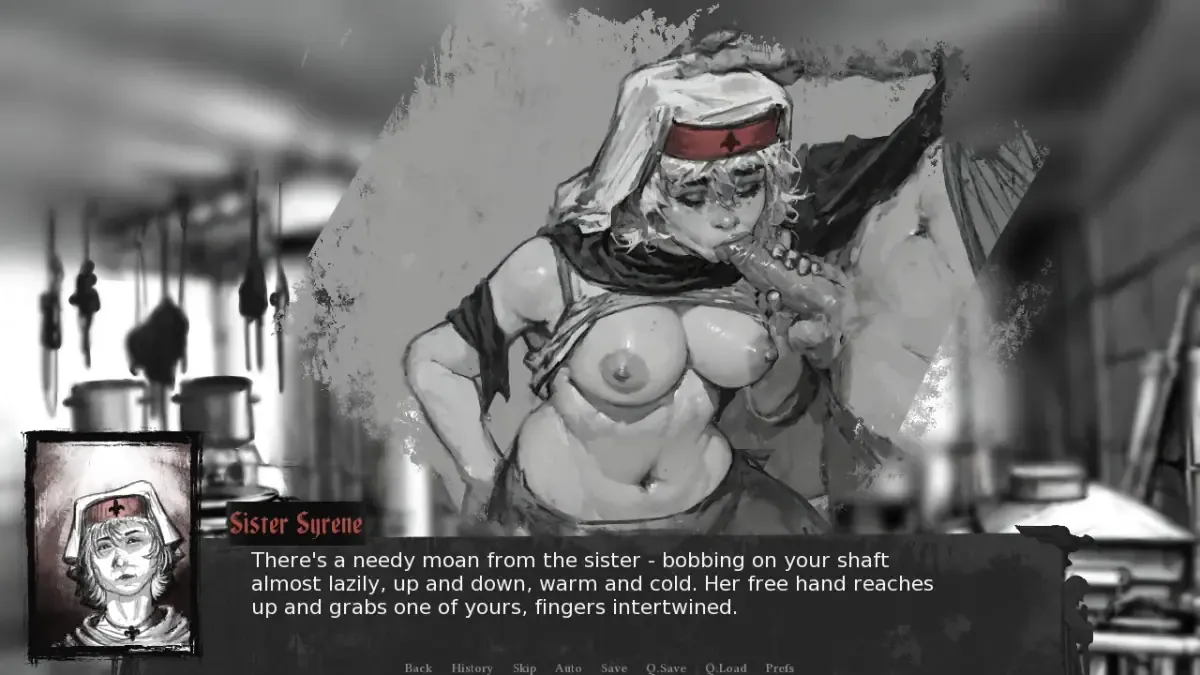
Let’s talk about the scenario everyone mentions, because it perfectly encapsulates this design: The Nun. 👵
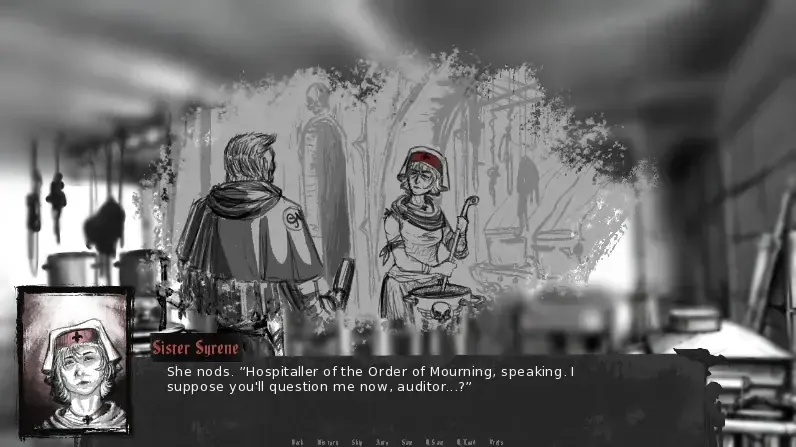
A Sister of the Imperial Creed approaches you with a request for a food shipment to feed her starving congregation. The rules are clear: you cannot authorize it without the proper form, filed by the proper planetary governor. She doesn’t have it. In desperation, she offers you a “personal favor”—strongly implied to be a romantic or sexual encounter—in exchange for your help.
What do you do?
* Option A: Uphold the Law. You deny the request. You follow the letter of the Imperial Truth. The nun leaves, defeated. Your quota remains clean, but people may starve. You have maintained “order.”
* Option B: Break the Rules for Compassion. You forge the paperwork or pull strings, getting the food through. You save lives, but you’ve committed a serious crime. You’ve also placed the nun in your debt, potentially complicating future interactions.
* Option C: Exploit the Situation. You accept her proposed “favor” but then still deny the request, using the loophole of “improper solicitation.” This is perhaps the most cynically bureaucratic and selfish path, protecting yourself while taking advantage of her desperation.
There is no “Paragon” or “Renegade” points popping up. The game simply records your choice and moves on. The consequences unfold later: a memo about reduced unrest in a sector, a missing report that triggers an audit, or the nun returning under very different circumstances. This is the heart of the bureaucratic decision-making game experience. You’re not choosing between a “good” and “bad” ending; you’re choosing what kind of bureaucrat you are in a system designed to crush compassion.
These moral choice mechanics are woven into the most mundane tasks. Approving a promethium refinery might please your industry-focused boss and help the war effort, but it will poison the local water supply, creating a refugee crisis you’ll have to deal with later. The game’s brilliance is showing how systemic evil isn’t always mustache-twirling villainy; it’s often just people like you, following the rules, trying to get through the day.
### Character Interactions and Relationship Building
Your desk may be your fortress, but you are not alone in this imperial jungle. The corridors of your administrative complex are filled with other Imperium Bureaucracy Hero characters, each with their own ambitions, flaws, and secrets. How you manage these relationships is arguably more important than how you manage your in-tray.
The character relationship system in this game is subtle and powerful. It’s not a simple “like/dislike” meter. Instead, relationships are defined by trust, debt, fear, and mutual benefit. Your interactions with colleagues, superiors, and supplicants are primarily through dialog choices during meetings or appended notes on paperwork.
For example, you might have a rival, Department Head Krell, who constantly tries to claim credit for your work. You can:
* Undermine Him: Leak a minor mistake of his to a superior (lowers his standing, but he becomes a vengeful enemy).
* Appease Him: Let him have the credit on a minor project (boosts his ego, puts him in a slight debt to you).
* Outflank Him: Complete a project so efficiently and publicly that his claim would be obvious fraud (establishes your competence, makes him wary).
Your choices directly affect how these characters behave toward you. A friendly colleague might warn you of an upcoming audit. A spurned supplicant might file a false complaint. The game tracks these nuances beautifully, making the social web feel alive and reactive.
| Character Type | Your Potential Goal | Relationship Mechanic |
|---|---|---|
| The Ambitious Superior | Earn promotion, avoid scapegoating. | Build a record of success they can take credit for, making you valuable. |
| The Desperate Supplicant | Solve a crisis, gain a loyal contact. | Use personal risk or rule-bending to help them, creating a debt. |
| The By-the-Book Inspector | Pass audits, maintain clean procedure. | Meticulous record-keeping and absolute adherence to code. |
| The Jaded Veteran | Gain insider knowledge, learn shortcuts. | Show empathy or shared cynicism; trade favors for information. |
This system ensures that the Imperium Bureaucracy Hero gameplay is deeply human despite the oppressive setting. You remember characters not by their stats, but by their personalities and the messy history you share. Will you protect the clerk who covered for your earlier mistake? Will you throw a lazy subordinate under the land-crawler to save your own skin? These interpersonal dramas, playing out in memos and tense office meetings, provide the emotional core of this indie narrative game. 🎭
Key Gameplay Features & Mechanics That Differentiate This Title:
* The Desk as a Narrative Engine: All story progression is channeled through the authentic-feeling interface of administrative work.
* Procedural Morality: Choices are rarely binary and focus on systemic consequences rather than personal karma.
* Dynamic Relationship Grid: Characters react to your professional decisions, creating a living, political workplace environment.
* Atmospheric Pressure: The tension comes from psychological weight and potential future consequences, not immediate threats.
* Accessibility & Portability: With fullscreen functionality on PC and the ability to play on Android via JoiPlay, this deep narrative experience can be enjoyed anywhere. 📱
* Tone Mastery: It balances the grimdark, absurd humor of its setting with genuinely poignant moments of human connection and tragedy.
Ultimately, Imperium Bureaucracy Hero stands out because it trusts you with a different kind of power. It asks you to find drama in deliberation, heroism in compromise, and a compelling story in the stamp of a seal. It’s a masterclass in story-driven gameplay mechanics, proving that the most gripping conflicts aren’t always fought with bolters, but with bureaucratic edicts and the small, quiet choices of someone just trying to do their job in an impossible universe. If you’re ready for a game that challenges your ethics more than your reflexes, your desk awaits.
Imperium Bureaucracy Hero stands out as a remarkable indie title that proves games don’t need flashy graphics or combat systems to captivate players. Through its exceptional writing, meaningful moral choices, and deeply developed characters, the game creates an experience that lingers long after completion. The bureaucratic setting provides a refreshing departure from conventional gaming narratives, allowing players to explore complex ethical questions in a richly detailed world. Whether you’re a seasoned gamer seeking something different or new to indie titles, Imperium Bureaucracy Hero offers a compelling journey that rewards thoughtful decision-making and emotional investment. The game’s growing community and continued development suggest it’s worth experiencing firsthand to understand why players praise its narrative depth and character interactions so highly.