
Princess & Conquest Screenshots
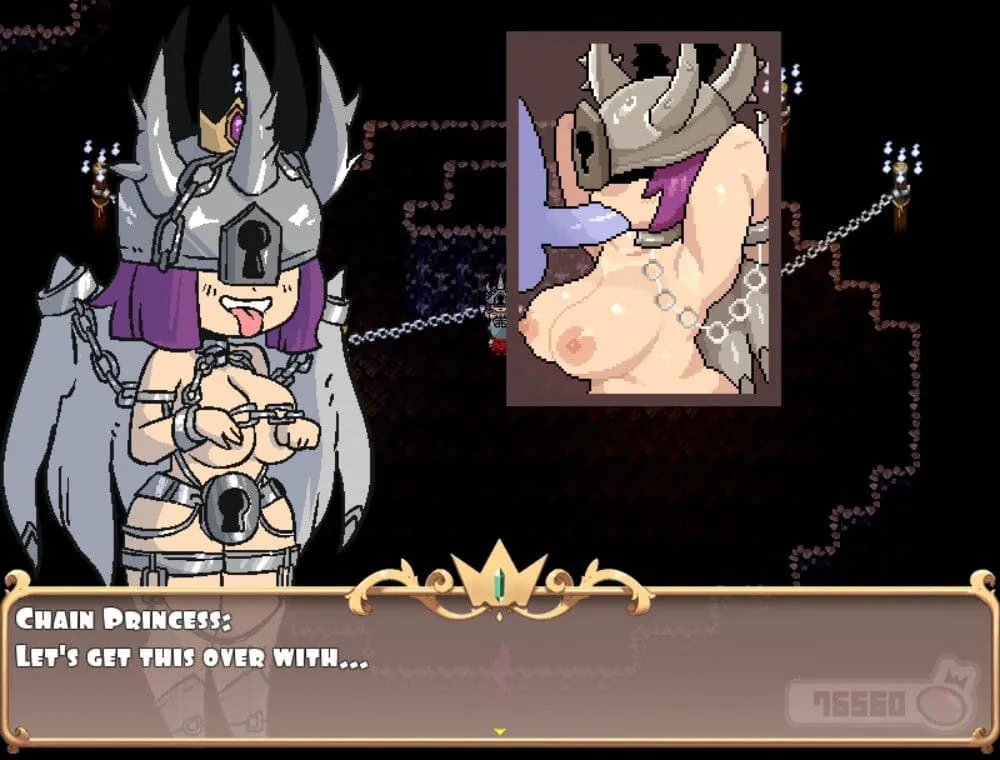

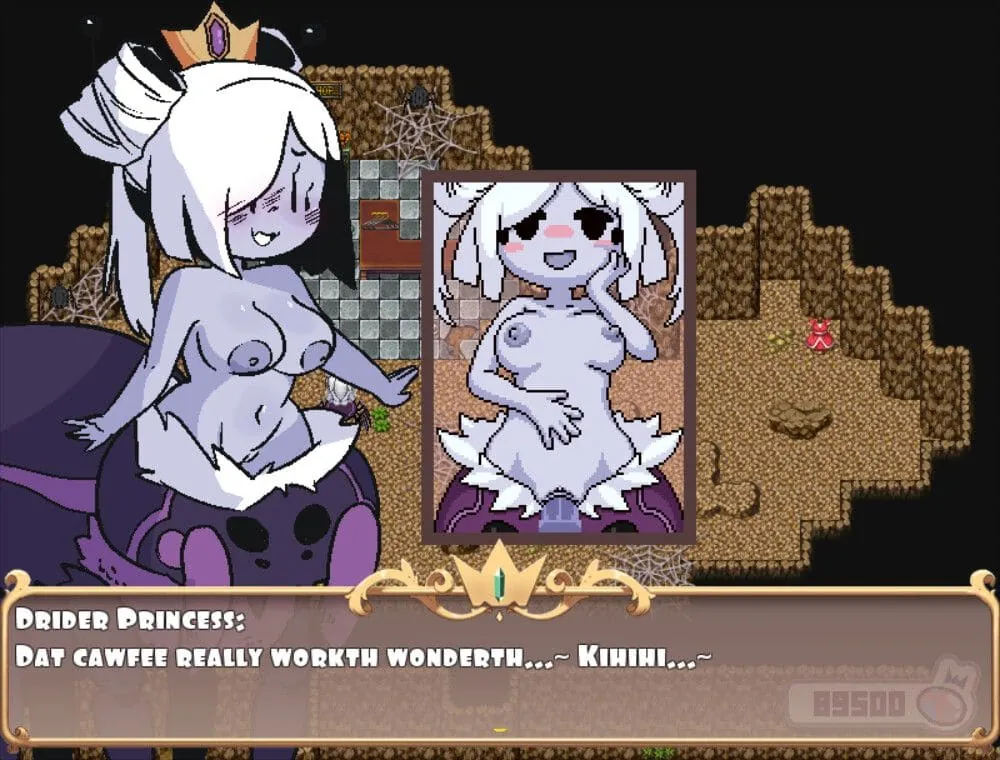
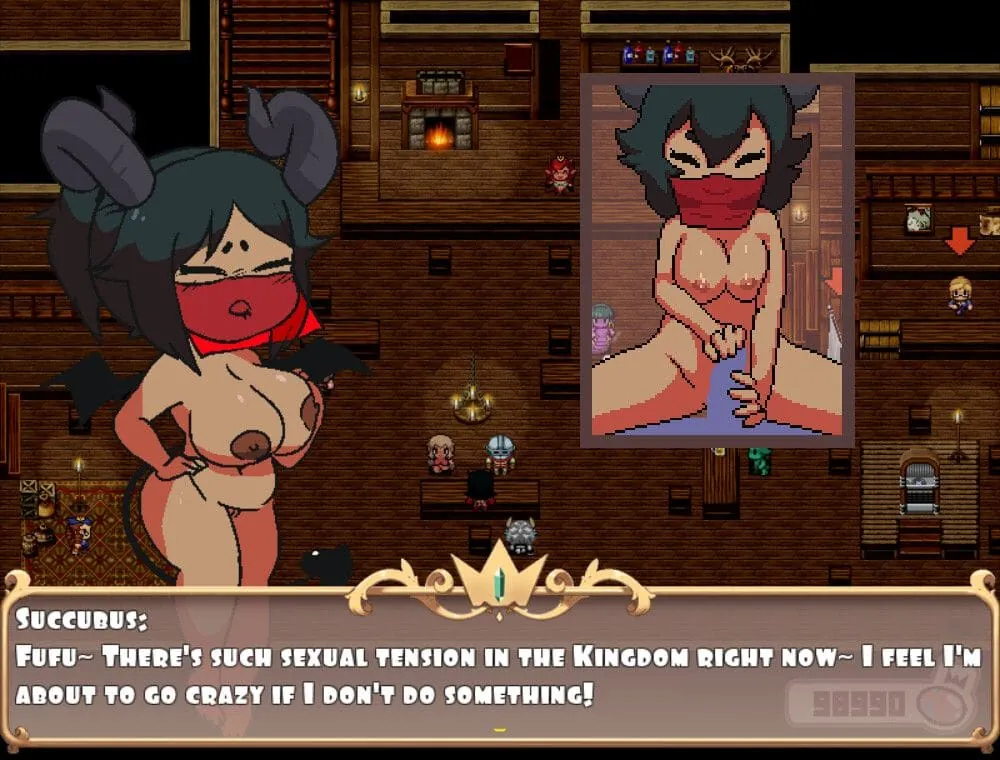
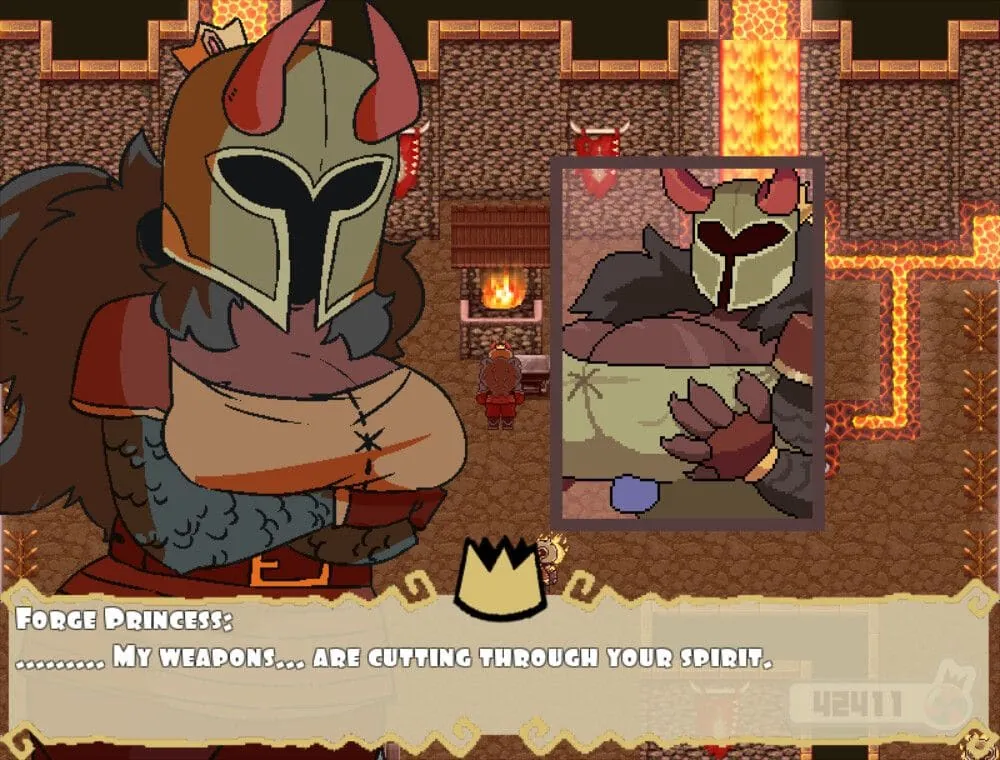

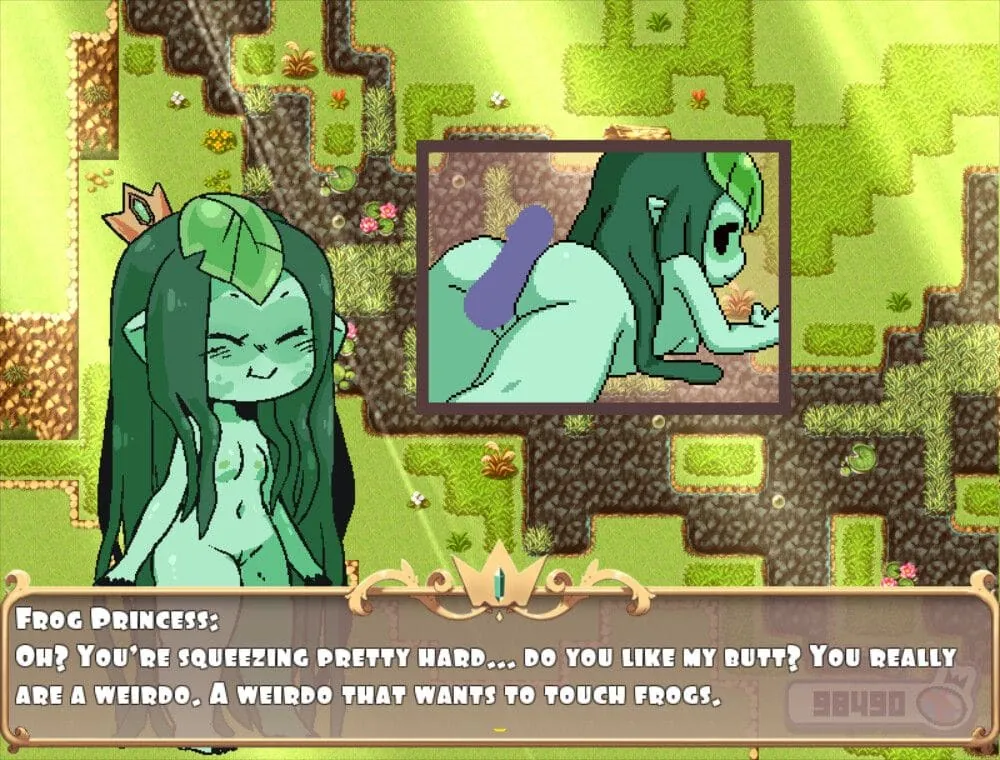
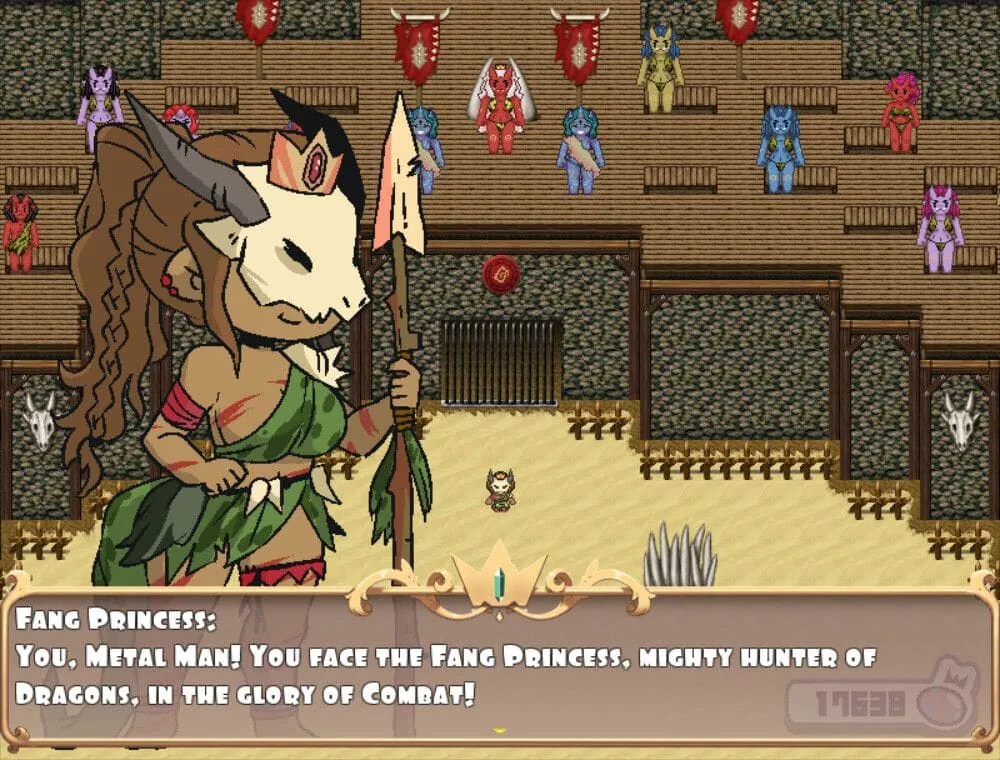
Princess & Conquest review
Master gameplay systems, character progression, and strategy in this complex RPG adventure
Princess & Conquest stands out as a surprisingly complex RPG that combines exploration, combat, and intricate social dynamics in ways that catch many players off guard. Despite its unconventional premise, the game features depth that rivals traditional role-playing experiences, with systems governing character progression, resource management, and strategic decision-making. Whether you’re new to the game or looking to optimize your playthrough, understanding the core mechanics and systems is essential for success. This guide breaks down everything you need to know about Princess & Conquest, from basic gameplay fundamentals to advanced strategies that will help you master this unique gaming experience.
Core Gameplay Systems and Mechanics
Welcome to the heart of your journey! Understanding the core gameplay mechanics of Princess & Conquest is the difference between floundering in a chaotic realm and building a legendary legacy. This isn’t just another simple adventure; it’s a rich tapestry of interwoven systems where your choices in combat, conversation, and kingdom management all ripple outwards. Let’s break down these essential systems so you can play with confidence and strategy.
Understanding the RPG Foundation and Combat System 🗡️
At its core, Princess & Conquest is a robust RPG, and its combat is your primary tool for exploration, progression, and survival. Forget about mindless button-mashing; success here requires understanding your tools and the turn-based flow of battle.
The RPG combat system guide starts with your party. You’ll typically control your main character and can recruit various princesses and knights, each with unique stats, classes, and abilities. Combat is turn-based and grid-less, focusing on positioning, ability cooldowns, and resource management (like Mana or Energy). You’ll encounter enemies in the overworld, in dungeons, and during specific story events.
My early-game mistake was ignoring defensive abilities. I’d charge in with all-damage skills, only to get overwhelmed. Learning to use a well-timed block, a crowd-control stun, or a healing spell completely turned my fortunes around.
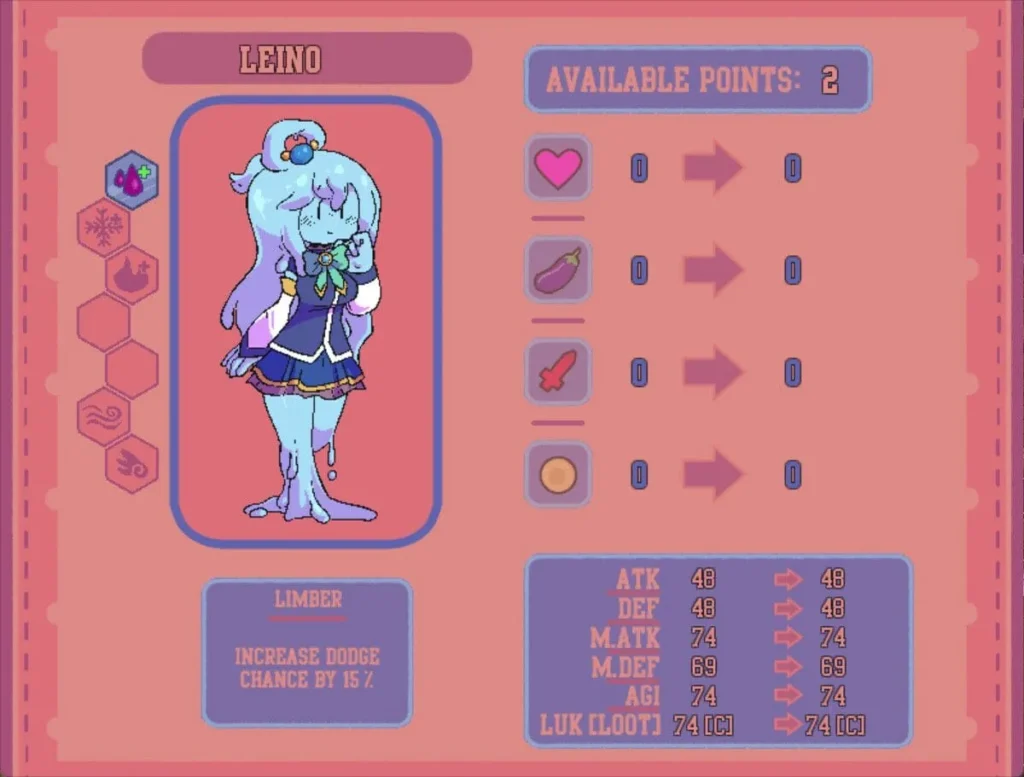
Key combat stats include Might (physical damage), Magic (spell potency), Endurance (health), Speed (turn frequency), and Charisma (which affects more than you’d think). Equipment plays a massive role, and you’ll constantly be swapping out weapons, armor, and accessories found in chests, purchased from shops, or earned from quests. The Princess & Conquest gameplay mechanics shine when you synergize your party—a tanky character drawing aggro while a high-magic caster rains down area-of-effect spells from the back line.
Exploration is directly tied to combat strength. Tougher areas with better rewards are gated behind stronger monsters. Therefore, a core part of your resource management strategy involves knowing when to fight, when to flee, and when to grind a bit to upgrade your gear. Remember, the world is persistent, and defeated enemies will eventually respawn, giving you repeatable sources of experience and loot.
Character Progression and Affinity Management 💖
This is where Princess & Conquest truly separates itself. Progression isn’t just about numbers going up; it’s about deepening relationships that unlock the game’s vast content. There are two parallel tracks: traditional stat progression and the deep character affinity system.
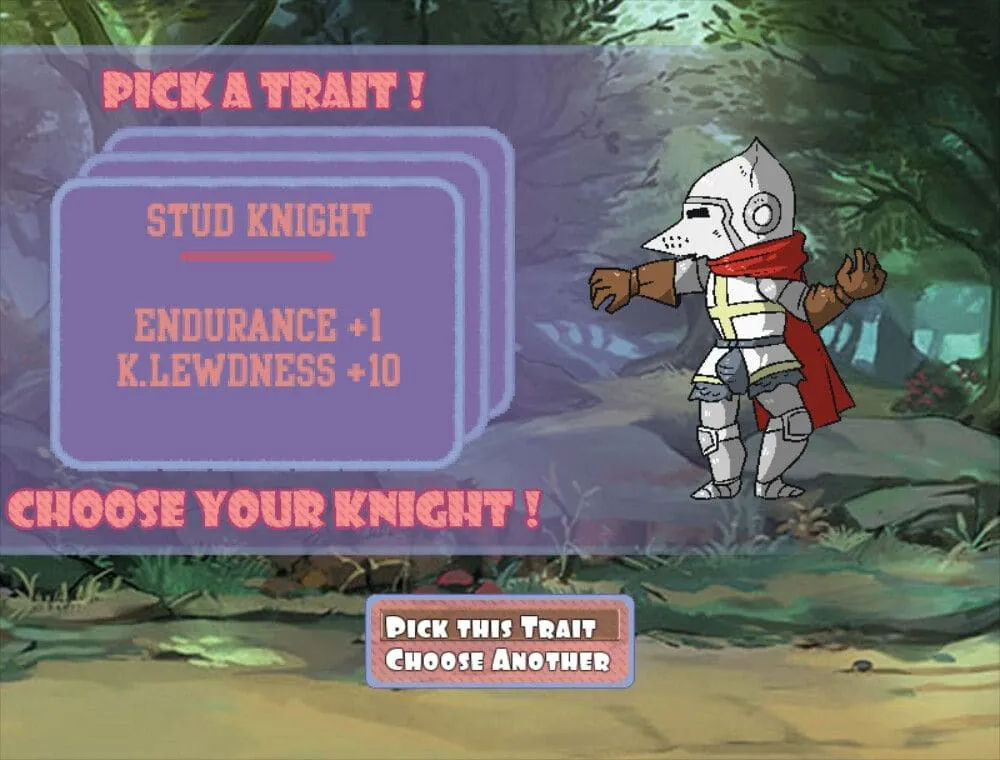
Character Progression works through gaining XP from battles and quests. Leveling up grants points to increase your core stats. More importantly, you’ll unlock and upgrade Abilities and Traits. Abilities are active combat skills, while Traits are passive bonuses that can fundamentally change your playstyle, like improving resource gain or unlocking new dialogue options.
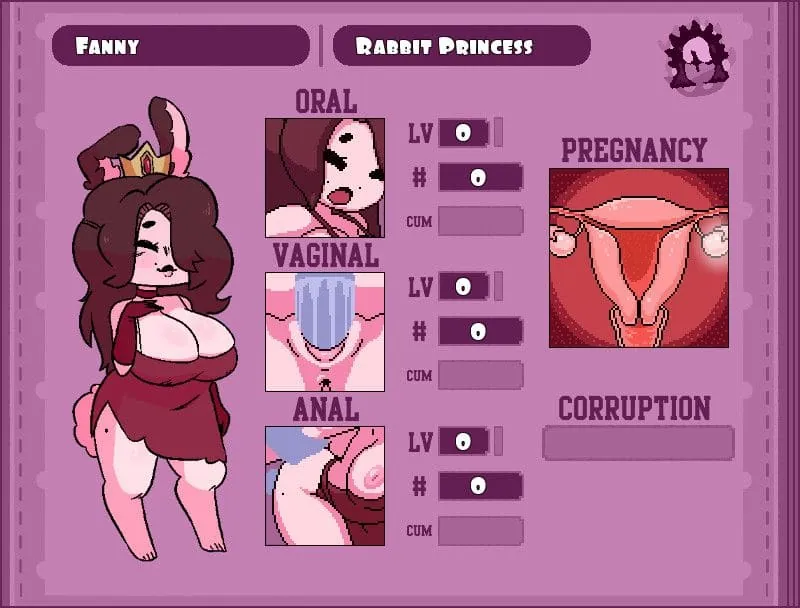
Now, let’s talk about the soul of the game: Affinity. Every major character has an affinity meter. Raising this is how to gain affinity points and is absolutely crucial. High affinity unlocks character-specific storylines, unique interactions, special quests, and powerful perks. Think of it as the key to the entire narrative and strategic toolbox.
You gain affinity primarily through:
* Knight Quests: Each character has a series of personal quests. Completing these is the most significant and story-rich way to build affinity.
* Gifting: Characters have loved and liked gifts. Giving these, especially on their birthday (found in the calendar), grants big boosts.
* Dialogue Choices: Picking supportive, kind, or character-appropriate responses during conversations.
* Spending Time: Simply having them in your party and winning battles together fosters camaraderie.
* Completing Faction Objectives: Helping a character’s associated race or faction often pleases them.
Why is this so important? Beyond the narrative, high-affinity characters can become powerful allies, offer unique shop discounts, provide kingdom bonuses, and more. Ignoring affinity means missing over half of what the game offers. I learned this the hard way by focusing purely on combat for my first dozen hours, only to find myself locked out of fascinating story arcs and useful helpers.
Managing the kingdom lewdness mechanics is also part of social progression. This is a global measure that subtly shifts available interactions and story outcomes. Certain actions, quest decisions, and even some affinity events can influence this meter. It’s not about “good or bad,” but rather about shaping the tone and opportunities within your kingdom. A higher meter might open up new avenues for influence with certain races, while a lower one might make others more trusting. It’s a background layer that adds consequence to your role-playing.
| Affinity Method | Efficiency Rating | Key Requirements & Notes |
|---|---|---|
| Completing Knight Quests | Very High | Unlocks story stages; often requires specific items or defeating challenging bosses. |
| Giving Loved Gifts (Birthday) | Very High | Requires knowing their birthday (Calendar) and obtaining the rare gift item. |
| Giving Loved/Liked Gifts (Regular) | High | Daily cap; requires gold and knowledge of preferences. |
| Correct Dialogue Choices | Medium | Free, but opportunities are limited to story moments. |
| Victorious Battles (in party) | Low/Steady | Grindable; provides a slow but constant drip of points. |
| Faction Assistance | Variable | High if the character cares deeply for that faction; otherwise low. |
Resource Economy and Kingdom Influence 👑
Your journey isn’t just personal; it’s geopolitical. You’re managing a budding legacy, which means mastering a dual economy of personal resources and kingdom-wide influence.
Personal Resource Economy:
Your primary currency is Gold, earned from selling loot, completing quests, and managing profitable ventures. Be smart with it! Early on, prioritize upgrading essential gear and buying key tools (like a better fishing rod or pickaxe) that enable further resource gathering.
* Valuable Items: Pay attention to gems, rare crafting materials, and “Family Jewels.” These items often have low direct use but sell for a high price, forming a core part of a savvy resource management strategy. Selling a cache of Family Jewels, for instance, can bankroll an entire equipment overhaul.
* Crafting & Alchemy: Don’t sell everything! Many rare materials are needed for crafting powerful end-game gear or potent potions. Always check a material’s use before vendoring it.
Kingdom Influence and Faction System:
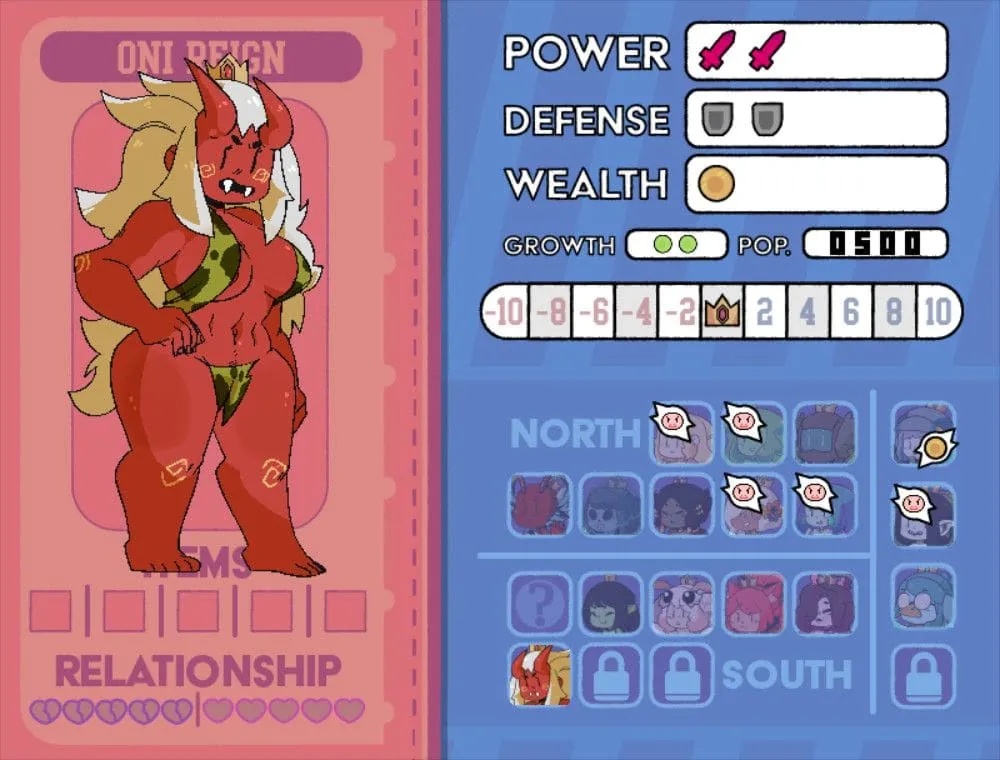
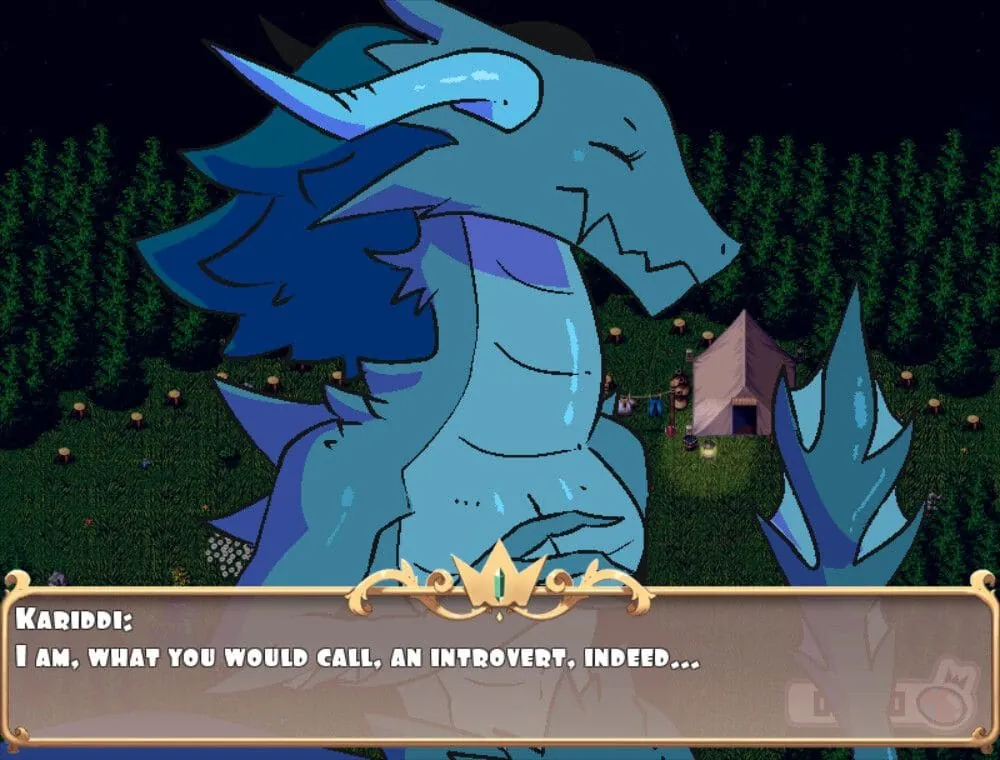
This is the macro layer of Princess & Conquest gameplay mechanics. The continent is divided among various races (Dragons, Driders, Harpies, etc.), each with their own faction. Your Influence with each faction determines how they view you, which areas are safe or hostile, what quests are available, and what unique rewards you can access.
You gain influence by:
* Completing Faction Quests: The most direct method. Help a race, and they’ll like you more.
* Making Diplomatic Choices: During story events, siding with or aiding a faction.
* Trade: Some factions value specific trade goods.
* Managing Kingdom Lewdness: As mentioned, this global metric can open or close doors with certain factions.
A critical tip: You can’t be best friends with everyone. Some factions are naturally opposed. My strategy is to focus on 2-3 factions per playthrough to build strong alliances, rather than spreading myself too thin. This focused approach within the influence and faction system yields tangible benefits like safe passage, powerful allied units in battles, and access to exclusive shops.
Lastly, let’s address time. The game operates on a calendar with days, seasons, and birthdays. While the early tutorial might pressure you, here’s the vital secret: There are no strict, game-over time limits on the main story. You have all the time in the world to grind, explore, and build affinity. Use seasons to your advantage—some resources are only available in certain seasons, and some character events are seasonal.
Pro Tip: Don’t rush the main quest! The true magic of Princess & Conquest is in the side stories and relationships you build along the way.
- Step 1: Secure a Cash Flow. In your first week, focus on easy overworld quests and gathering sellable resources (like common gems). Sell “Family Jewels” for a quick gold infusion. Buy a better gathering tool as soon as you can.
- Step 2: Choose Your First Ally. Pick one princess or knight whose questline seems interesting. Focus your early gift-giving and dialogue on them to quickly unlock their first few quests and benefits.
- Step 3: Identify a Faction Friend. Look at the starting area and early quests. Which faction is most present? Prioritize their quests to build early influence, ensuring safer travel in at least one region.
- Step 4: Balance Your Days. Don’t just fight. Structure your time: a morning battling for XP, an afternoon completing a specific character quest, and an evening gathering or crafting.
- Step 5: Hoard, Then Sell. When you start dungeon diving, don’t sell everything immediately. Store duplicates of materials in your vault. Once you understand crafting recipes, you’ll know what’s trash and what’s treasure.
Mastering these core gameplay mechanics transforms Princess & Conquest from a confusing web of systems into a rewarding sandbox of adventure. By integrating combat prowess, thoughtful affinity building, and shrewd resource and influence management, you’ll stop simply playing the game and start truly ruling your corner of the world. 🏰
Princess & Conquest delivers a surprisingly intricate gaming experience that rewards players who take time to understand its interconnected systems. From mastering affinity mechanics and character management to optimizing your kingdom’s economy and preventing unnecessary conflicts, the game offers multiple paths to success based on your preferred playstyle. Whether you’re focused on character relationships, economic optimization, or maintaining a peaceful kingdom, the strategies and systems outlined in this guide will help you navigate the game’s complexity with confidence. The depth of Princess & Conquest extends far beyond initial expectations, making it an engaging experience for players willing to invest in learning its mechanics. As you progress through your playthrough, remember that experimentation is key—the game’s flexibility allows for diverse approaches, so don’t hesitate to try different strategies and discover what works best for your unique gaming journey.