Tales of Unity
Play Tales of Unity
Tales of Unity Screenshots

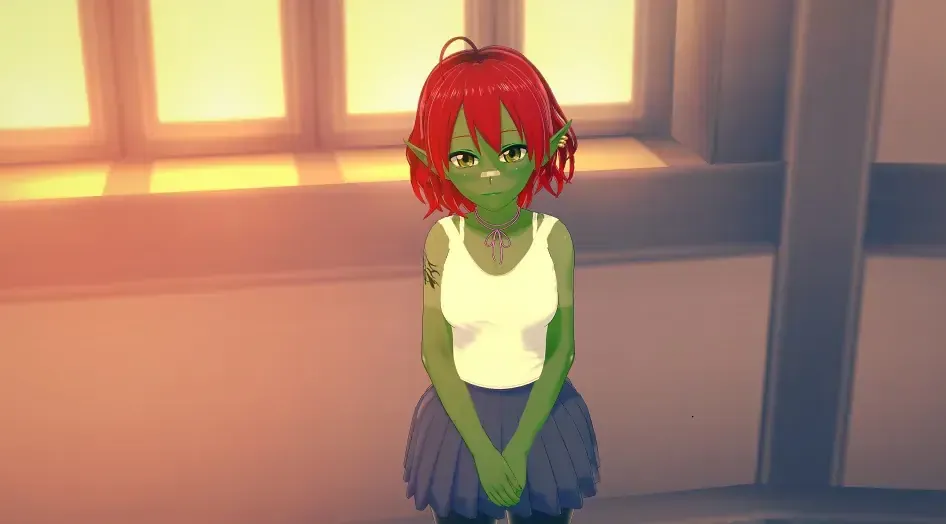
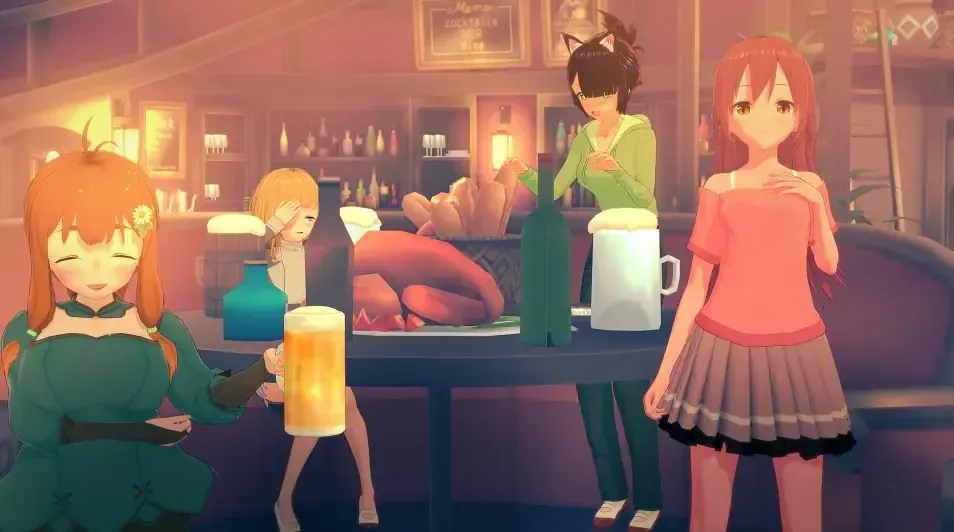
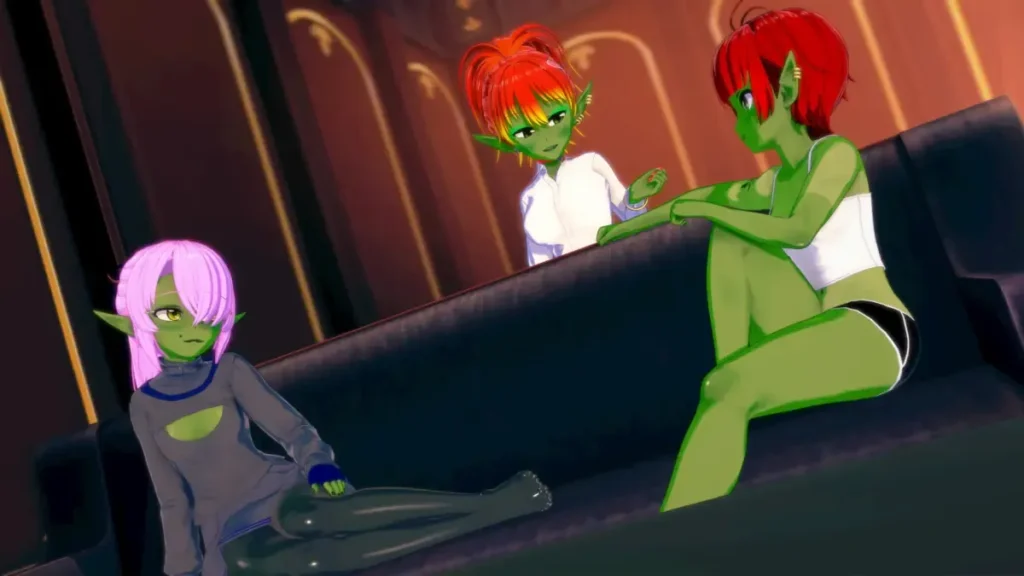
Tales of Unity review
A grounded look at Tales of Unity, its world, and what to expect as a new player
Tales of Unity is an adult-focused visual adventure that mixes character-driven storytelling, choices, and relationship-building in a fantasy world. If you have ever bounced off shallow titles that rely only on shock value, Tales of Unity will probably surprise you. In this guide, I’ll walk through how the game feels to play, what kind of narrative and systems you can expect, and some lessons I learned from my own time with it, so you can decide if this is the right choice for your tastes and playstyle.
What Is Tales of Unity and Why Did It Stand Out to Me?
Let me be honest—when I first heard about Tales of Unity, my expectations were… mixed. 🎭 I’d dipped my toes into plenty of story-driven games before, but the description “adult-oriented fantasy visual novel” made me brace for something very particular: maybe a thin plot draped over a predictable framework. I was so, so wrong. My first proper session with the Tales of Unity game turned into a three-hour deep dive where I forgot I was supposed to be “reviewing” it and just got lost in its world. That’s the core of this Tales of Unity review: it’s a narrative experience that genuinely hooks you with its characters and choices.
So, what is Tales of Unity at its heart? It’s a story-first, choice-driven experience built in a fantasy world. You primarily read, make dialogue choices, and watch as those decisions ripple out to shape your relationships with a cast of complex characters and influence which scenes you unlock. Think of it less as a quick-play title and more like an interactive book where you guide the protagonist’s personality and path. The adult content is present, but it feels woven into the character arcs and story beats, not the other way around. For me, that was the biggest surprise and why it stands out.
How would I describe Tales of Unity to a new player?
Imagine settling in with a good fantasy novel, but you get to decide how the main character reacts in key moments. That’s the vibe. The Tales of Unity visual novel structure means you’ll spend most of your time reading beautifully written dialogue and descriptive text, punctuated by moments of choice that really matter. 🧙♂️
You’re not mindlessly clicking to advance text; you’re considering how to respond to a sharp-tongued elf, or whether to trust a charming but secretive sorcerer. The game is built on branching paths and multiple character routes, meaning your playthrough can feel uniquely yours. I remember my first 30-40 minutes clearly: I was just getting a feel for the controls and the setting. But then a simple choice about how to comfort a character after a tense event popped up. My selection led to a quiet, vulnerable conversation that revealed a whole backstory I hadn’t expected. That’s when it clicked—I was invested. I cared about these digital people and their fates, which is a testament to the game’s character-focused writing.
For a new player, I’d summarize the Tales of Unity experience with a few key points:
* Story-First Approach: The narrative is the main event, not an afterthought.
* Meaningful Character Focus: Relationships develop through conversation and choice, not just through mandatory plot points.
* A Lived-in Fantasy Setting: The world has factions, history, and tension that you discover organically.
* Interactive Choices with Weight: Your decisions can alter scenes, affect affections, and change which story branches you explore.
Story, world, and tone: what sets Tales of Unity apart?
This is where the Tales of Unity story truly shines and answers the question of what makes it special. The game doesn’t just drop you into a generic fantasy tavern. You’re placed in a world simmering with unspoken histories and factional tensions—between magical orders, skeptical human settlements, and ancient mystical beings. The lore feeds into the personal stories, creating a fantastic sense that a larger plot is unfolding around your more intimate moments.
The tone is a masterful balance. One minute you’re trading witty, flirtatious barbs with a companion under the stars, and the next, you’re navigating a serious moral dilemma with real emotional stakes. 🪶 It avoids being relentlessly grim or frivolously lighthearted, instead feeling surprisingly human (even with a cast of elves, demons, and mages!). This balance made me realize the game was aiming for something more substantial.
“I paused with my cursor over the dialogue options, genuinely torn. The game wasn’t asking me to pick the ‘sexiest’ reply; it was asking me what my character truly believed in that moment. That’s when I knew Tales of Unity was different.”
For example, I hit a point where a companion asked for my help in a way that would compromise another character’s trust. The game presented the choice without a clear “good vs. evil” label. It was purely about loyalty versus a greater good, and each option was written with believable motivation. I sat back and actually thought about it. That interactive choice felt meaningful because the game had spent hours making me care about the people involved. This depth is what sets it apart from more conventional titles in the space; it feels closer to a character-driven fantasy novel that you influence, with adult elements as part of its holistic world.
Who is Tales of Unity really for?
This is the crucial question: who is Tales of Unity for? My take is that it’s a niche title, but it executes its niche so well that it can pleasantly surprise people outside of it. Let’s break it down.
First, the ideal player. This game is a perfect match for:
* The Reader & Story Lover: If you enjoy getting lost in a good book or a detailed RPG for its plot and world-building, you’ll feel right at home. Patience is rewarded here.
* The Character Connector: If your favorite part of any game is getting to know your companions, learning their secrets, and influencing their journeys, you’ll adore the relationship-building here. 🤝
* The Choice-Maker: Players who love seeing how their decisions tangibly alter a narrative will find a lot of branches to explore.
Conversely, if you’re seeking deep tactical combat, fast-paced arcade action, or a management sim, you’ll be disappointed. This is a reading-heavy, choice-driven experience. The “gameplay” is engagement with the text and your own imagination.
I have a friend who perfectly illustrates the game’s unexpected appeal. He’s a hardcore strategy gamer who tried Tales of Unity on a whim, expecting something straightforward and shallow. He messaged me a week later, having completed all the available content for one character route. His verdict? “I came for the tags, but I stayed for the elf. Her story was actually really good?” He’d been drawn in by the gradual character development and the political intrigue simmering in the background. His experience solidified my opinion: Tales of Unity has a broader appeal than its surface suggests, but only if you meet it on its own terms—a desire for a good story.
To wrap up this Tales of Unity review chapter, the game stood out to me because it respected my intelligence and my desire for a coherent world. It offers a fantasy journey where connection and conversation are the primary weapons and tools. It’s for players who want to sit back, think, feel, and steer a personal story within a beautifully crafted world. If that sounds like you, then you know exactly who this Tales of Unity game is for.
Tales of Unity is at its best when you treat it like a story you slowly inhabit rather than something to rush through. The mix of fantasy setting, branching choices, and relationship-building can be surprisingly involving if you enjoy reading and following character arcs over time. From my own playthroughs, the moments that stuck with me were less about any single scene and more about how earlier decisions echoed hours later in conversations and reactions. If that kind of long-form, character-focused experience sounds appealing, give Tales of Unity a fair session or two and let yourself settle into its rhythm before deciding whether it deserves a place in your regular rotation.