
The Theater of Sinners
Play The Theater of Sinners
The Theater of Sinners Screenshots
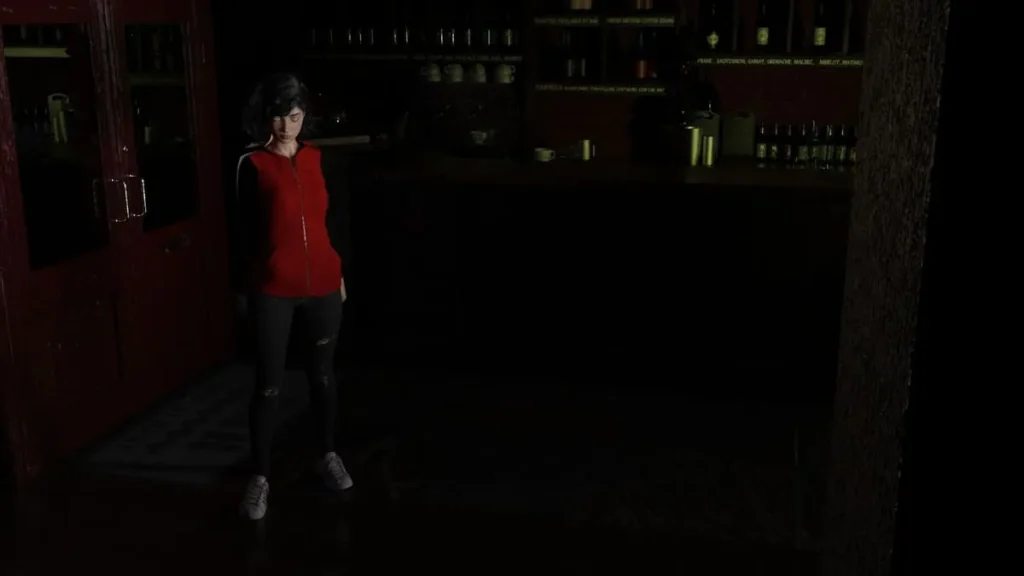
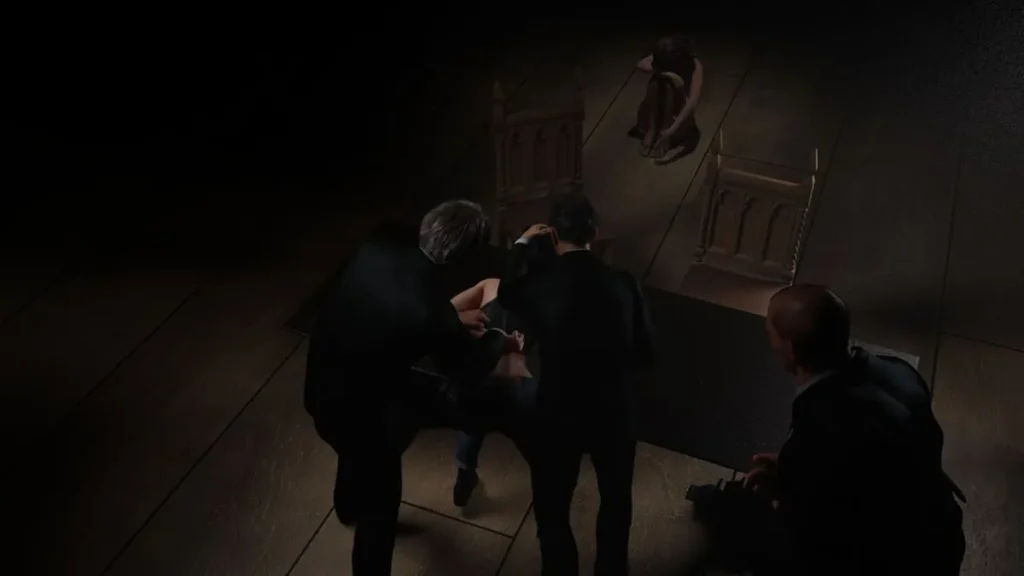
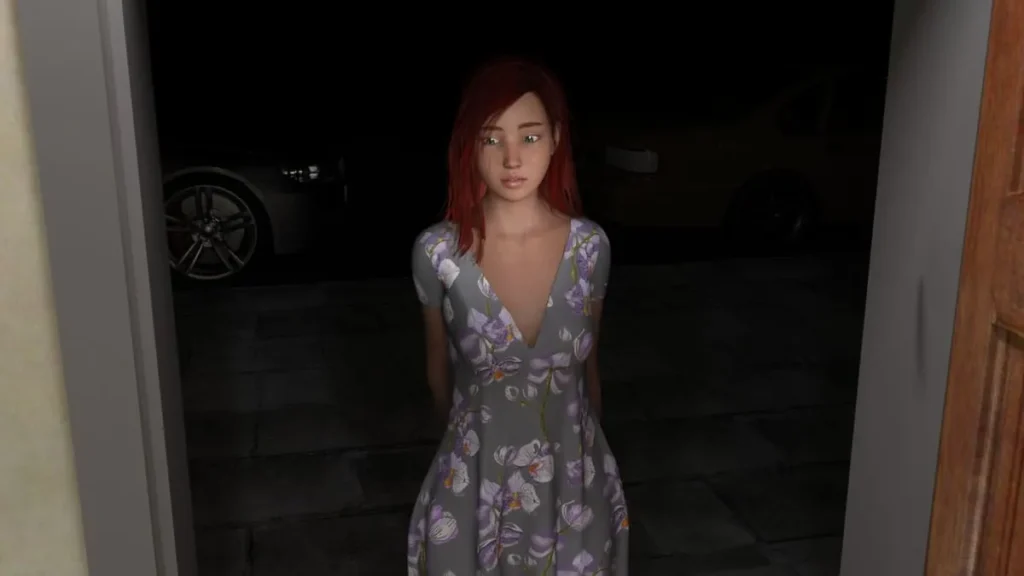
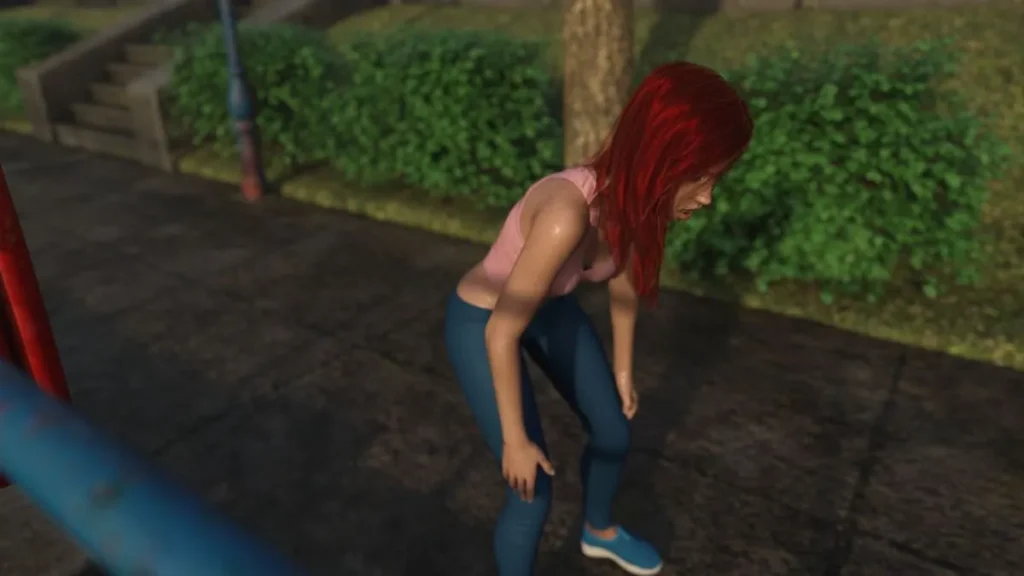
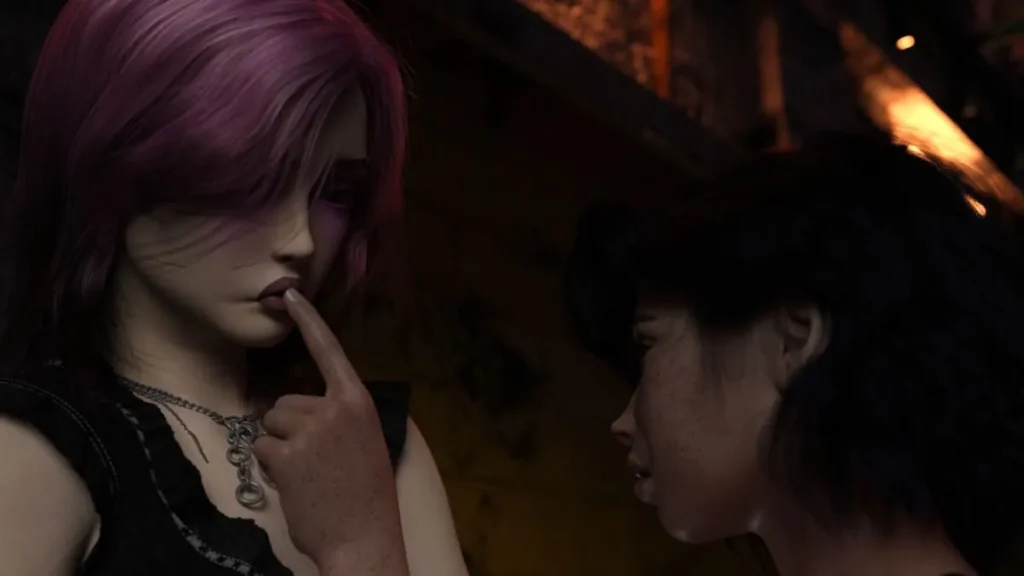
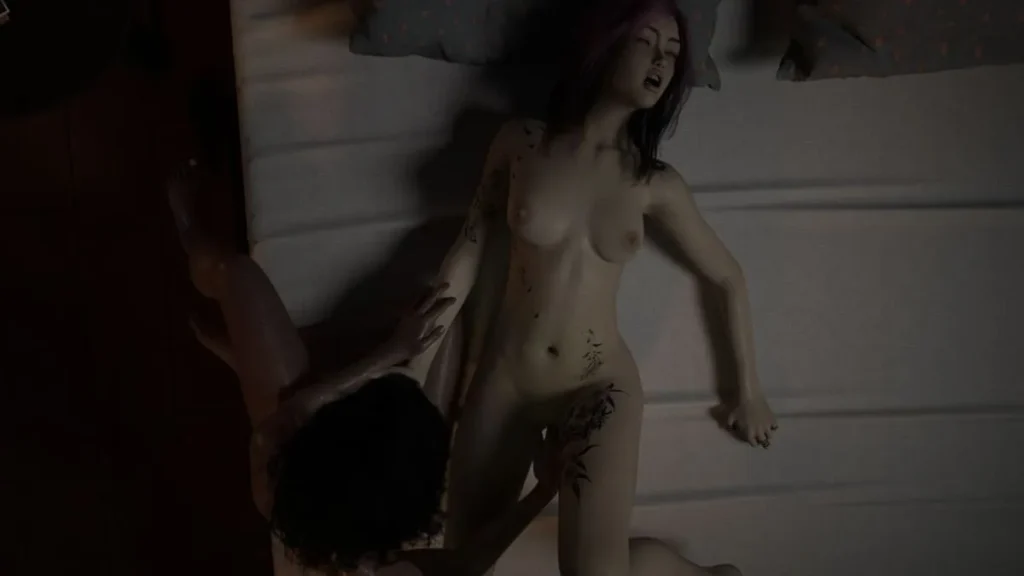
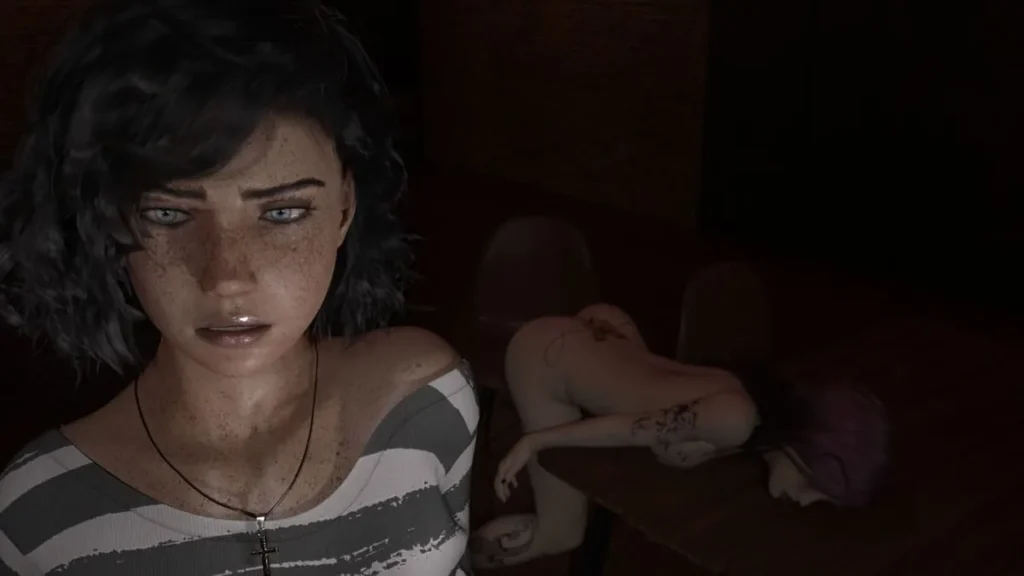


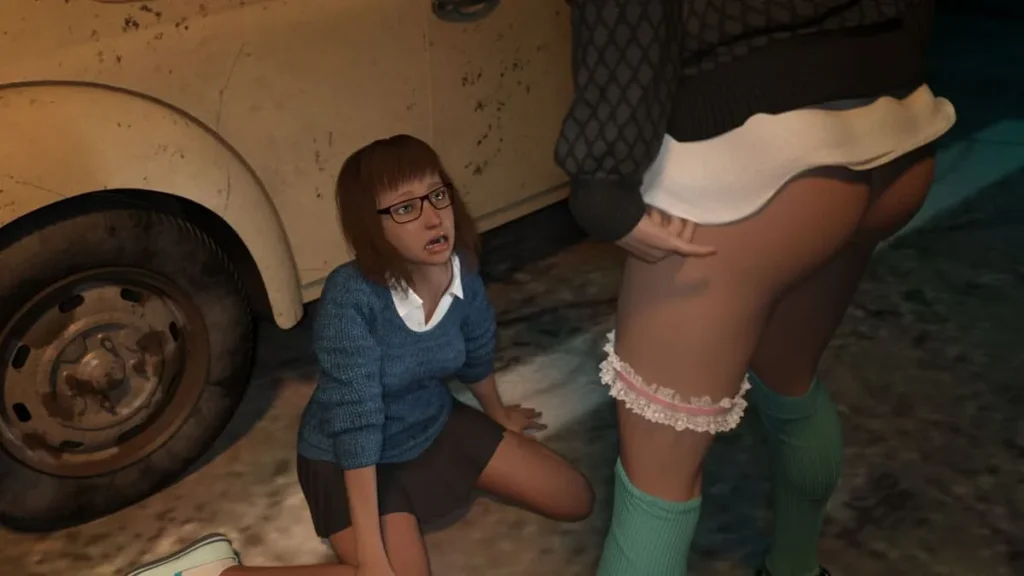
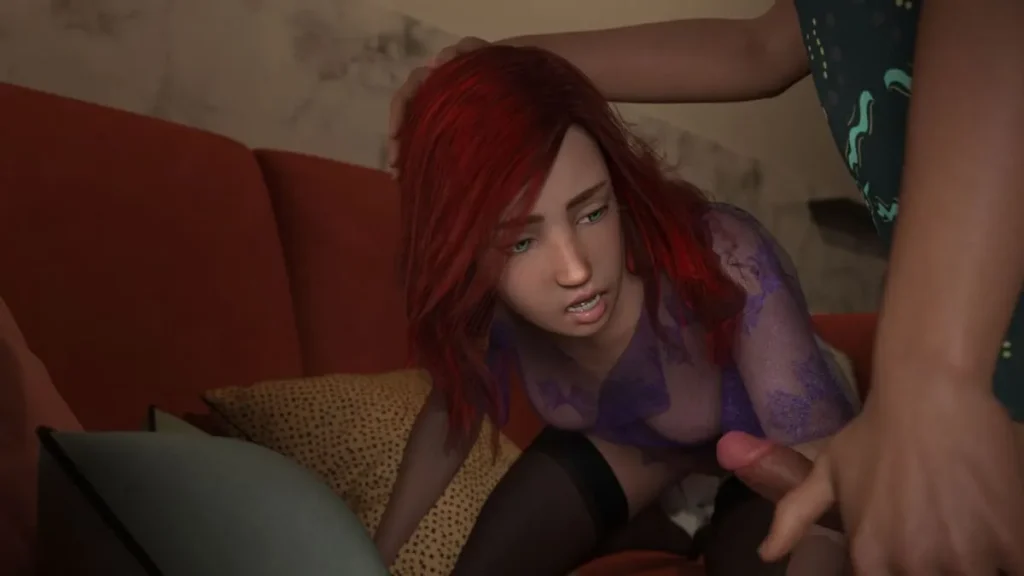
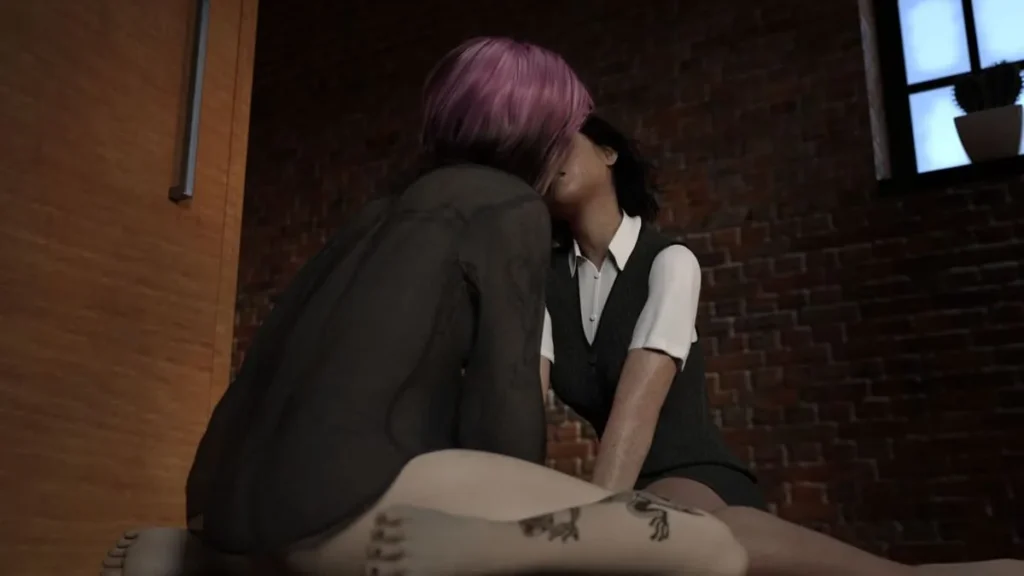
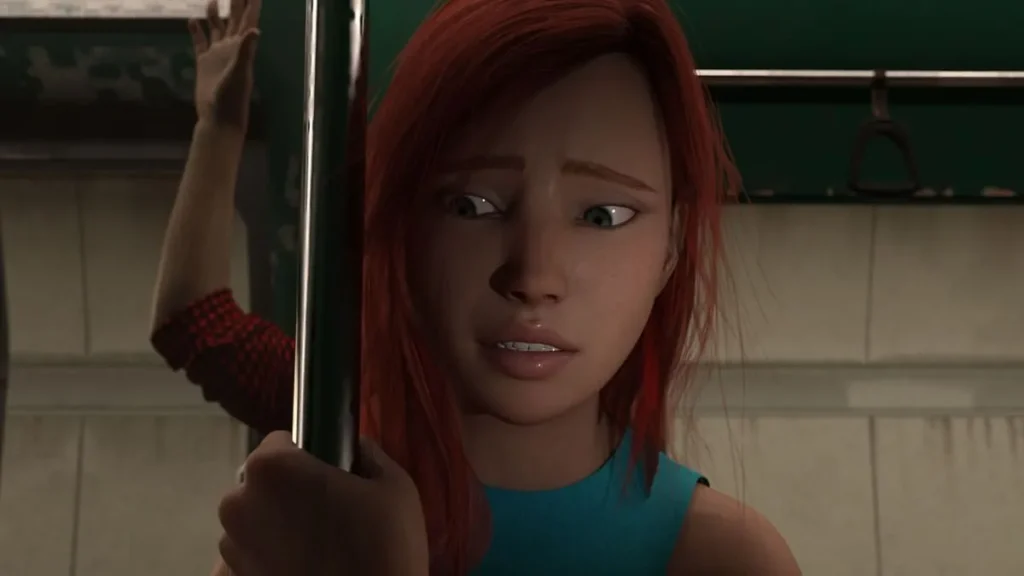


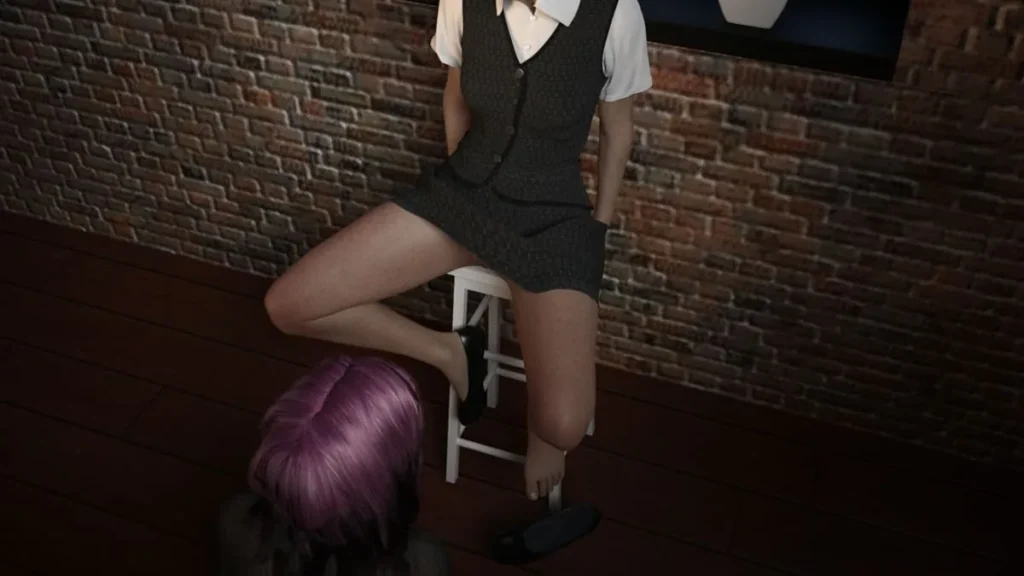
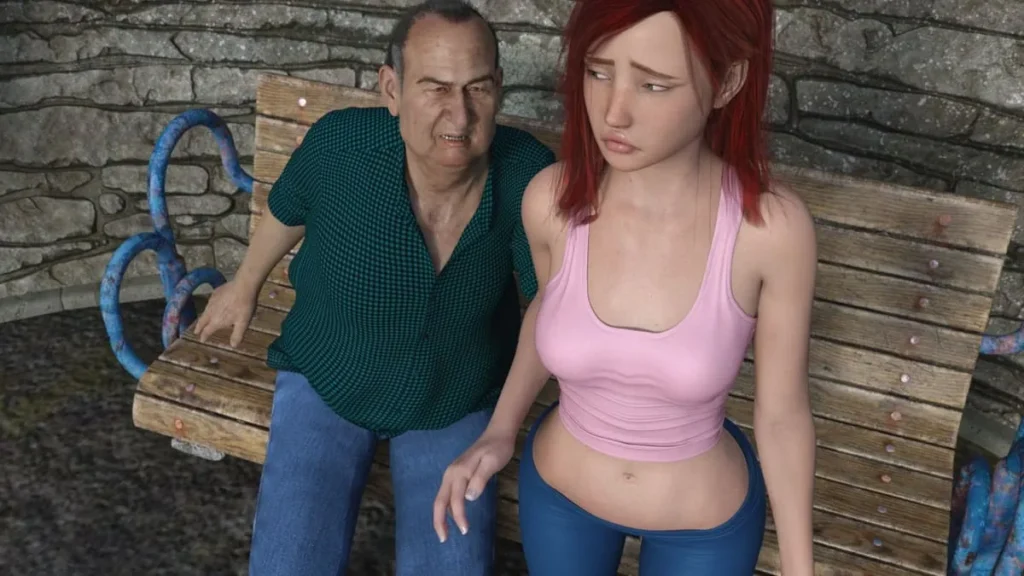
The Theater of Sinners review
Dive into the twisted tales of humiliation and choice in this gripping Ren’Py game
Ever stepped into a world where every choice drags you deeper into shadows of desire and despair? That’s The Theater of Sinners, the chilling Ren’Py visual novel from JustXThings that’s captivating players with its raw exploration of human frailty. Version 0.3 Alpha 1 thrusts you into the lives of protagonists like Paula and Rebeca, caught in cycles of bullying, abuse, and moral decay. I first loaded it up late one night, expecting light thrills, but hours later, I was hooked on its psychological depth and branching paths. This guide uncovers the game’s narrative magic, mechanics, and why it’s a must-play for fans of dark, decision-driven stories.
What Makes The Theater of Sinners Uniquely Addictive?
I still remember the first time I loaded up The Theater of Sinners. I was expecting just another dark story, maybe something a bit edgy to pass the time. 😅 An hour later, I found myself just staring at the menu screen, my mind racing through the choices I’d just made and their horrible, fascinating consequences. I wasn’t just playing a game; I was being invited to sit in the director’s chair of someone’s personal ruin, and I couldn’t look away. That’s the unique magic of this psychological horror game—it doesn’t just show you darkness, it makes you complicit in its creation.
So, what is The Theater of Sinners? At its core, it’s a masterfully crafted Ren’Py visual novel that trades in moral gray areas, the psychology of power, and the brutal consequences of choice. It’s not about jump scares or monsters under the bed. The horror here is human, intimate, and often heartbreakingly real. You don’t watch a story unfold; you piece it together from fractured perspectives, making decisions that feel less like picking dialogue options and more like steering a car you know is going to crash—you just get to choose how.
Who Are Paula and Rebeca in The Theater of Sinners?
The heart of The Theater of Sinners game beats with its characters, and two of its most compelling leads are Paula and Rebeca. To call them simply “protagonists” feels wrong. They are more like case studies in how pain shapes a person, and your choices determine whether that shape becomes a weapon or a wound.
Paula is a girl who should have it all. As the daughter of a powerful, influential figure, her life looks pristine from the outside. But that very status makes her a target. Bullied and tormented by a group of delinquents, she’s pushed to a breaking point. Your journey with Paula is about navigating that pressure cooker. Do you guide her toward crumbling under the humiliation, or does she learn to twist that pain into something else—a corrupting power of her own? Her path is a stark exploration of how victimhood can curdle into something much darker.
Then there’s Rebeca. If Paula’s hell is external, Rebeca’s was homegrown. Raised by an addict mother and a viciously abusive stepfather, her entire worldview is forged in survival. She’s become hardened, cynical, and frighteningly capable of the very cruelty she once suffered. Guiding Rebeca is a constant tightrope walk. Will she perpetuate the cycle of abuse, becoming the monster she hates, or is there a sliver of that scarred child still capable of something else? The dynamic between Paula and Rebeca, when their stories intersect, is electric with tension, mirrored trauma, and unsettling possibilities.
But their tales are just two threads in a larger tapestry. The game weaves together the lives of four central figures, each struggling with their own forms of abuse, desire, and twisted connections. It’s a deep dive into complex dynamics—sadism, masochism, dominance, submission—not as titillation, but as the fundamental language through which these broken people communicate and control one another. 😟
How Do Choices Shape the Harsh World of The Theater of Sinners Game?
Forget good or evil endings. In The Theater of Sinners, every choice feeds into a subtle but all-important stat system. You’re not choosing between “be kind” or “be mean.” You’re making decisions that quietly raise hidden metrics like Submission, Corruption, Defiance, or Ruthlessness. These stats are the invisible hands that guide the story’s branching paths.
Here’s the brilliant part: the game’s events are playable in almost any order. You can jump between characters and timelines. But the stats you’ve accrued are global. So, a choice you make as Rebeca in one chapter might quietly unlock—or lock away—a specific, gut-wrenching scene for Paula three chapters later. The plot is non-linear, filled with flashbacks and fragmented memories, and your understanding of the whole truth is directly tied to the person you’ve encouraged each character to become.
🎯 Practical Advice: Save. Constantly. And use multiple slots. There are no take-backsies here. A single, seemingly innocuous decision can have permanent repercussions that echo hours later. Also, savor the dialogue. A character’s slight flinch or a hesitant pause often tells you more about your stat influence than any on-screen meter ever could.
The game’s realism sells this system completely. The Ren’Py visual novel format is pushed to its limits with stunning, expressive character art. A subtle shift in a facial expression, a glance filled with dread or cruel anticipation—it feels drawn from life. This attention to detail makes the psychological horror land with incredible force because you believe these reactions.
Let me tell you about one playthrough. I was trying to guide Paula on a more “neutral” path, avoiding total corruption but not playing the pure victim either. In a later scene with a different character, an option appeared that I hadn’t seen before: a chance to form a fragile, pragmatic alliance. It wasn’t born from friendship, but from a mutual recognition of usefulness—a direct result of those “neutral” stats. It was a moment that felt earned, complex, and far more interesting than a simple hero/villain team-up.
To understand the themes your choices engage with, here’s a breakdown of the core narrative elements at play:
| Core Theme | Description | How It Affects the Story |
|---|---|---|
| Humiliation | The use of shame and degradation as a tool for control or transformation. | Choices can lead characters to inflict or endure humiliation, fundamentally altering their self-image and relationships. |
| Corruption | The gradual moral decline or twisting of a character’s original nature. | Stat-driven paths can show a character slowly embracing darker behaviors, often justifying each step along the way. |
| Power Exchange (D/s Dynamics) | Exploration of dominance and submission within relationships, both consensual and forced. | Defines character interactions. Your choices determine who holds power in a scene and how that power is used or abused. |
| Twisted Romance | Relationships built on unhealthy foundations, co-dependency, or shared trauma. | Story branches can lead to deeply connected, yet ultimately damaging, partnerships that feel both inevitable and tragic. |
Why Does the Psychological Horror Hit So Hard?
The horror in The Theater of Sinners doesn’t come from a place of fantasy, but from frightening plausibility. 😨 The settings are mundane: schools, homes, dimly lit rooms. The monsters are the people in them. The game excels at psychological horror by making you an active participant in the erosion of a character’s sanity or morality. You witness the slow-motion car crash of a person’s spirit, and your hand is on the wheel.
This is where The Theater of Sinners truly separates itself from typical visual novels. Many games offer choice, but few make the weight of those choices feel this tangible and irreversible. It’s a character-driven plot where the “plot” is just the recorded aftermath of the personalities you’ve cultivated. There are no generic arcs here. Paula’s story could only ever be Paula’s. Rebeca’s rage and pain are uniquely hers. The game forces you to sit with them, in their darkest moments, without offering easy outs or redemption coupons.
It’s this unflinching commitment to its themes that makes the experience so compelling. You’re not just reading a story about flawed people; you’re using the mechanics of the Theater of Sinners game to deconstruct them and then live with the results. It’s a challenging, often uncomfortable, but undeniably gripping journey into the darkest corners of human interaction.
Here are answers to some common questions as you consider stepping into this theater:
Is The Theater of Sinners free to play?
Yes! The game is completely free to download and play. It’s a passion project developed in the Ren’Py engine.
What is the current version of the game?
Development is ongoing, but the public release as of this writing is often referred to as the “Remake” or “Ren’Py” version, which significantly overhauls and expands the original story. Always check the official channels for the latest build.
Does it have multiple endings?
Absolutely. The non-linear, stat-driven design means there are numerous endings and story variations for each character. Your path through The Theater of Sinners will be uniquely yours.
Are there content warnings?
CRITICAL. This game contains intense, graphic adult content. Expect pervasive themes of emotional and physical abuse, humiliation, violence, psychological breakdown, and explicit sexual content of a dark nature. It is intended for a mature audience only.
The Theater of Sinners isn’t just a game—it’s a mirror to the messy edges of humanity, where Paula, Rebeca, and their tangled world pull you in with every gut-wrenching decision. From its haunting visuals to the way choices ripple into brutal or redemptive paths, it delivers thrills that linger long after you close the app. If you’re ready to explore dark fantasies with real emotional weight, grab version 0.3 Alpha 1 from itch.io and dive in. Share your wildest playthrough in the comments—what path did you carve through the shadows?