Play After the Inferno
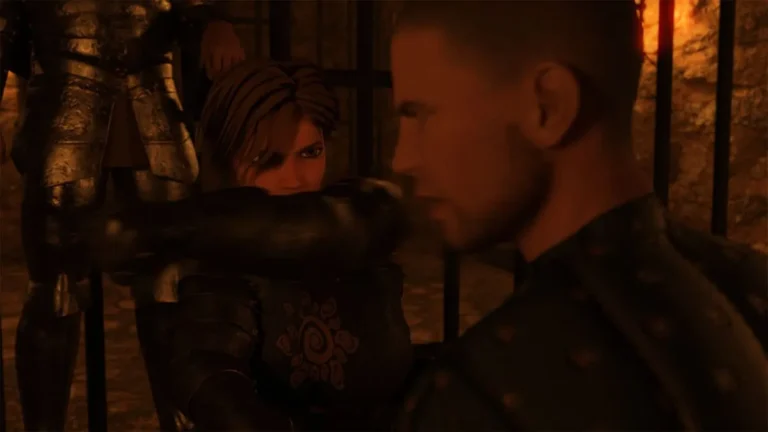
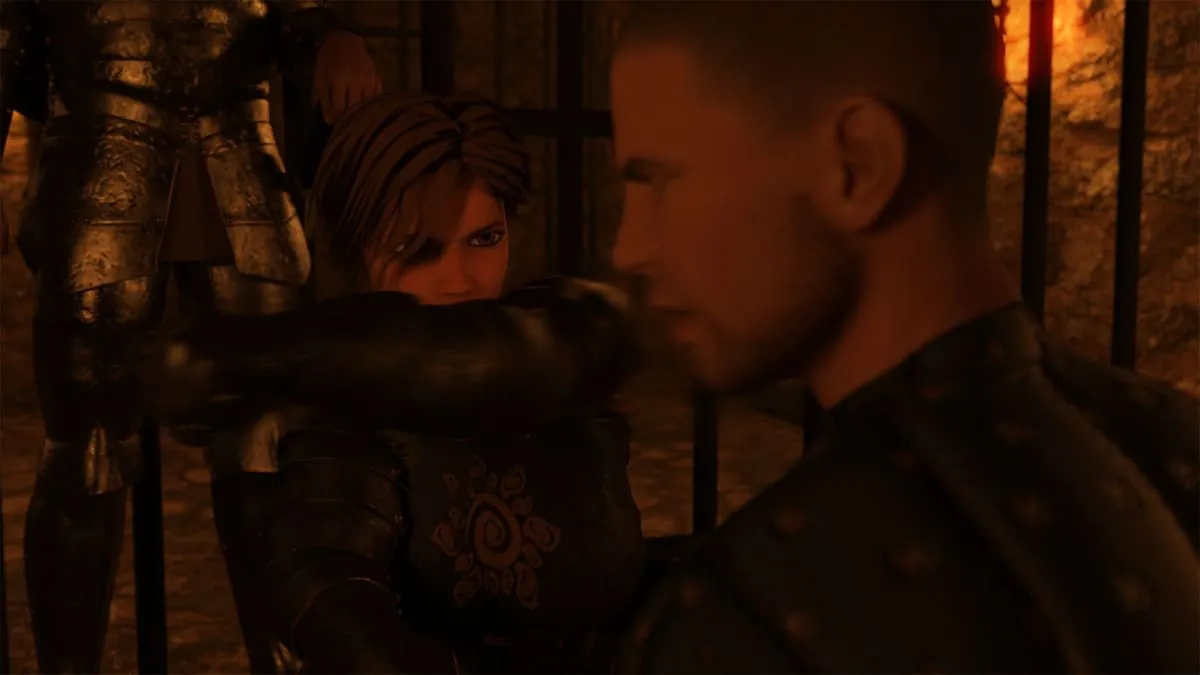
After the Inferno Screenshots
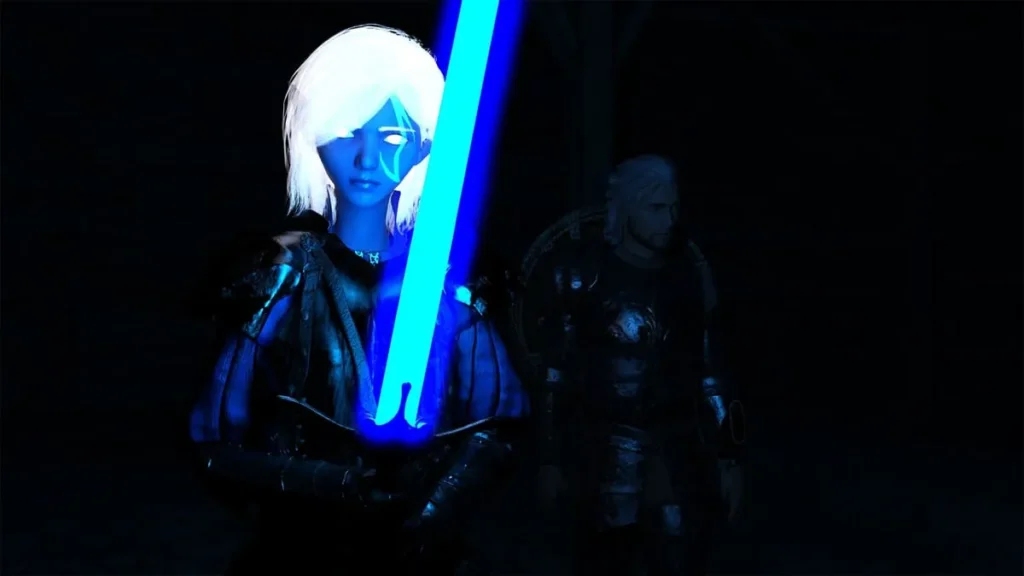
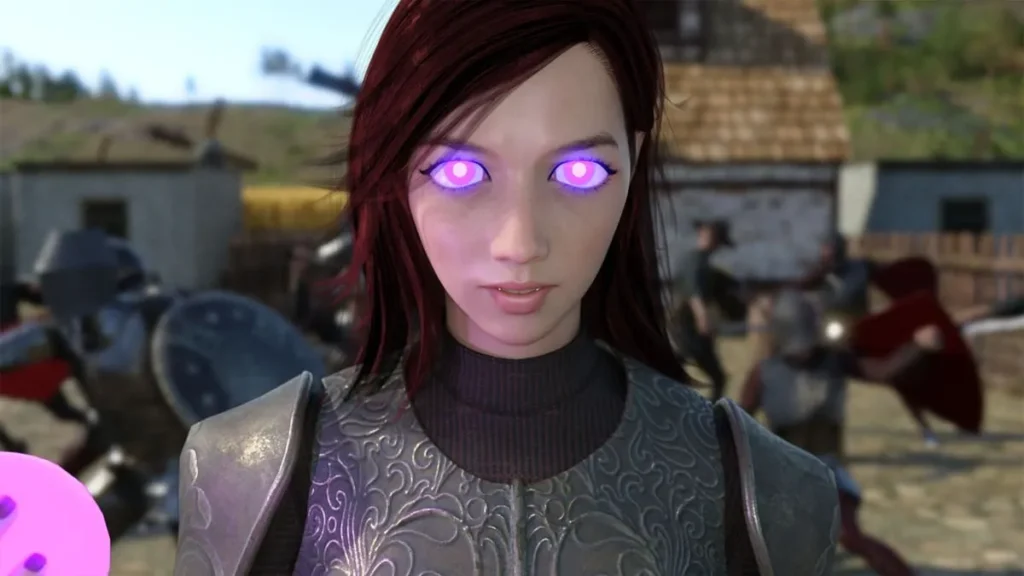
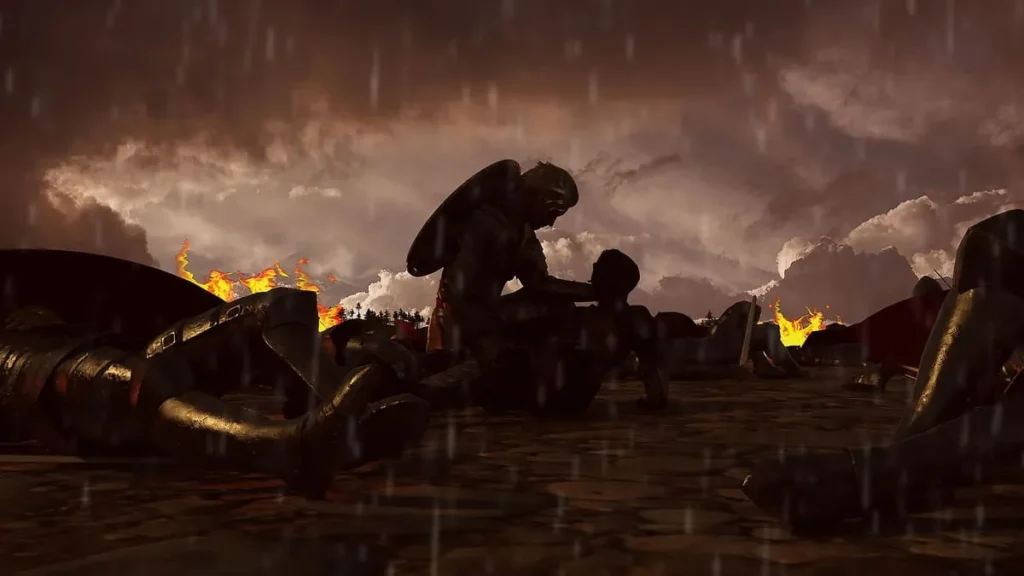

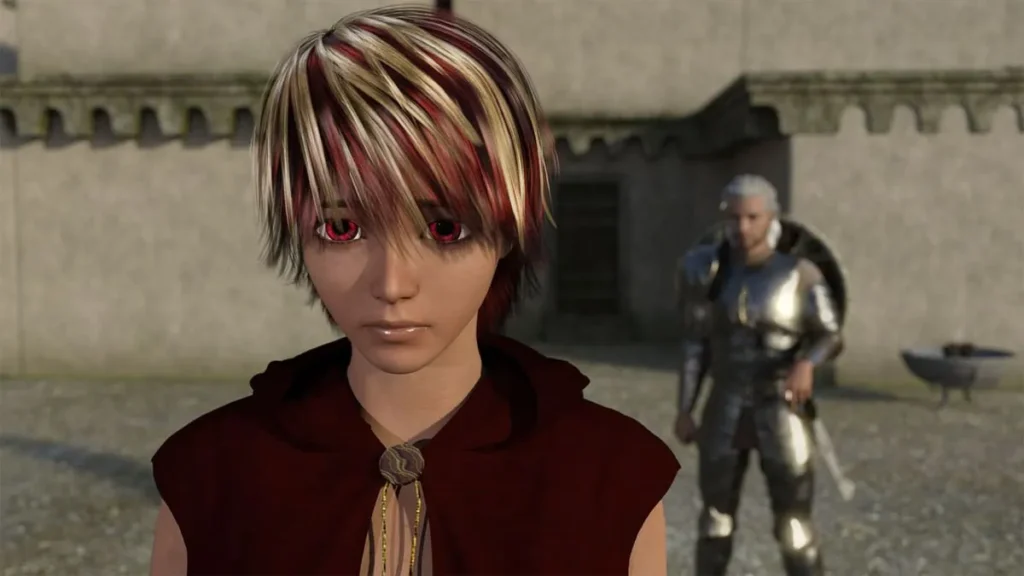
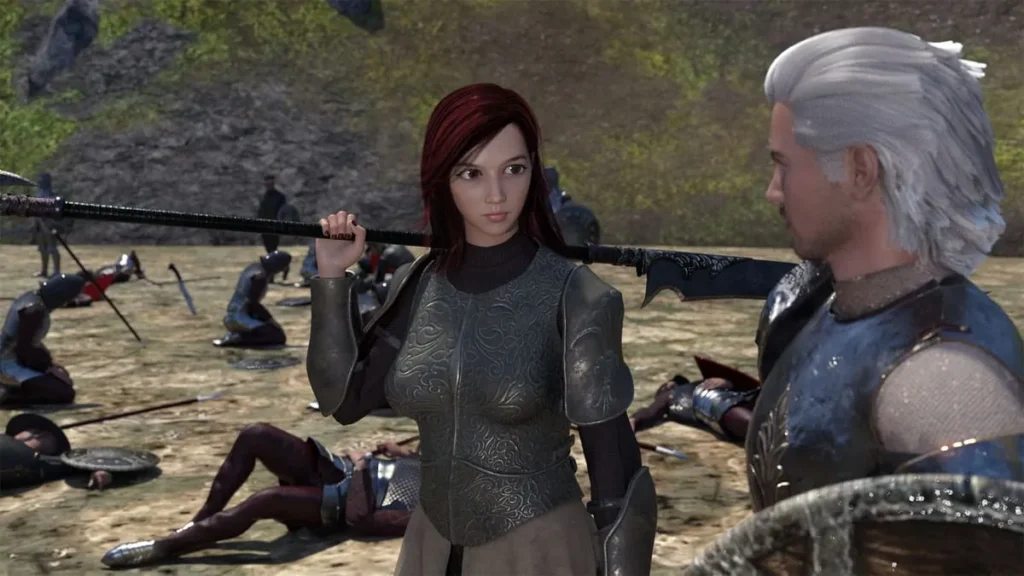
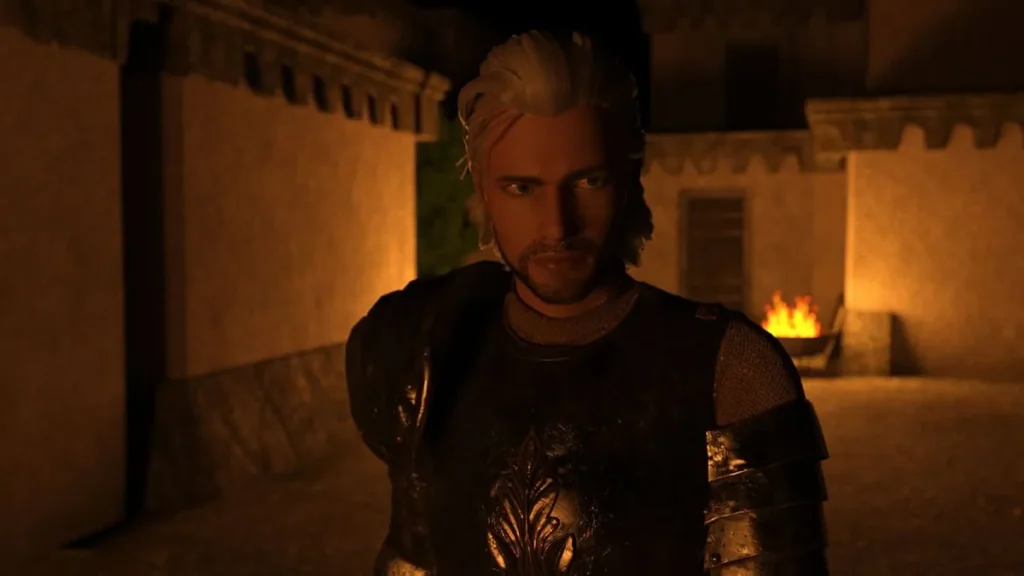
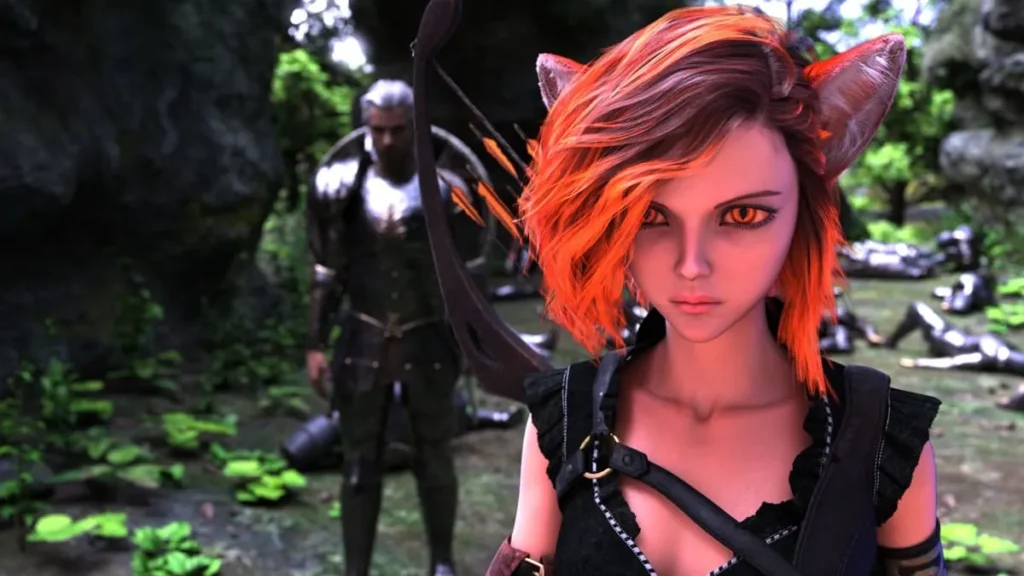
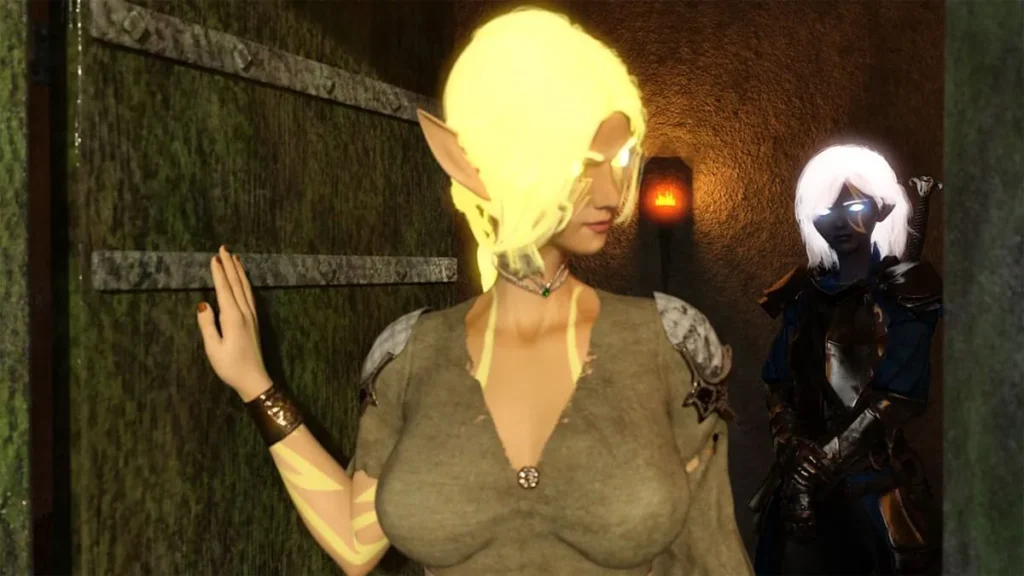
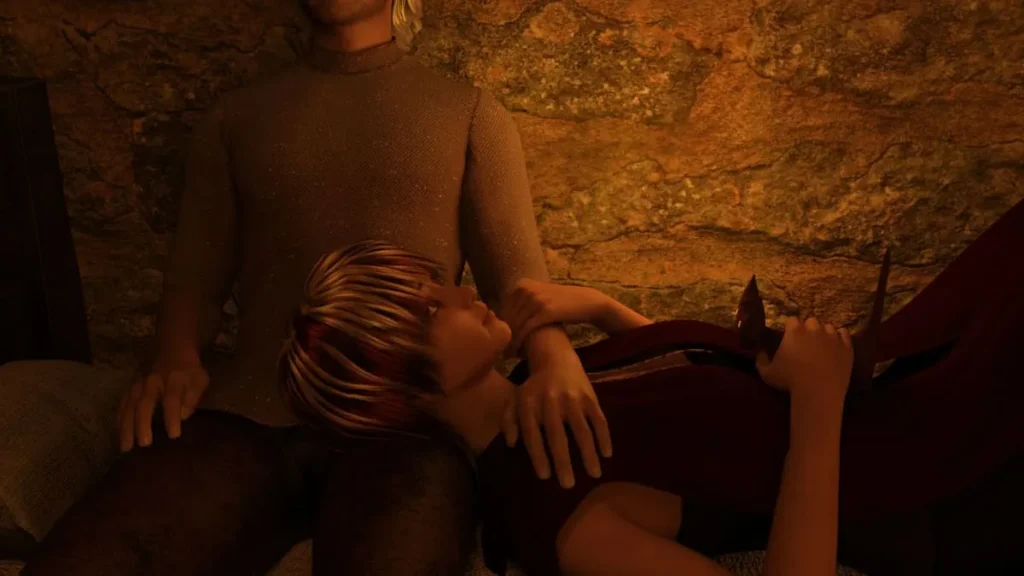
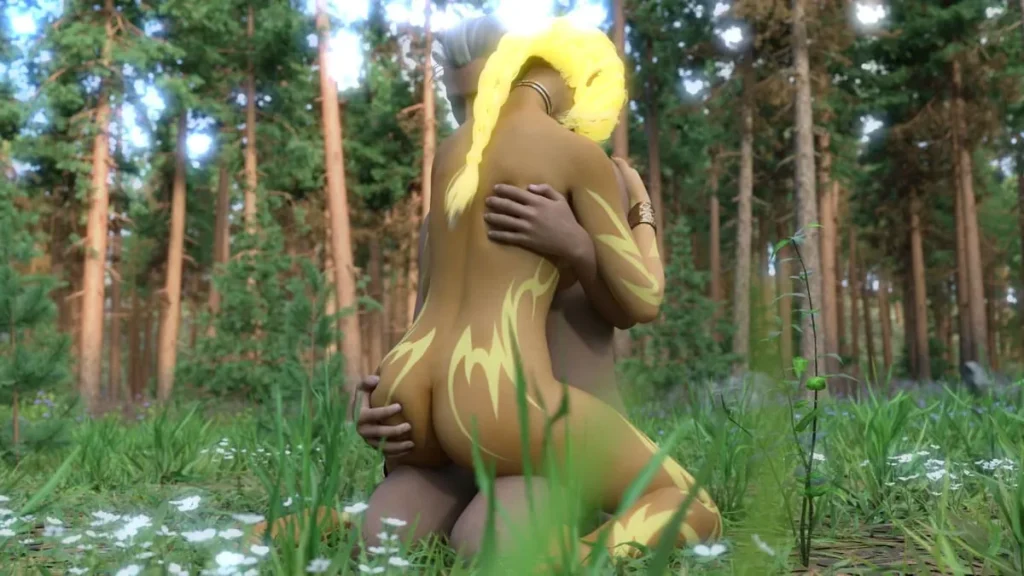
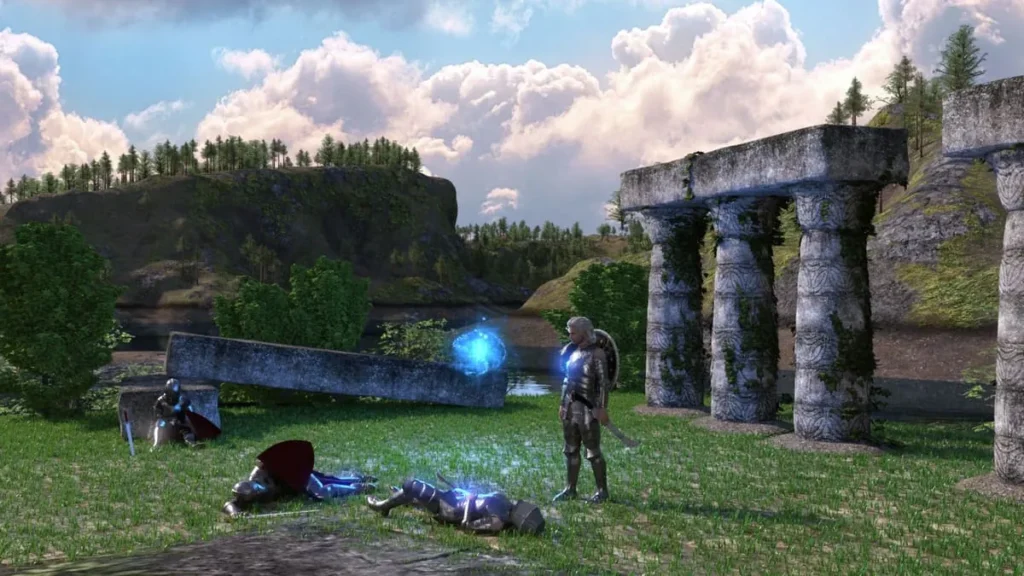
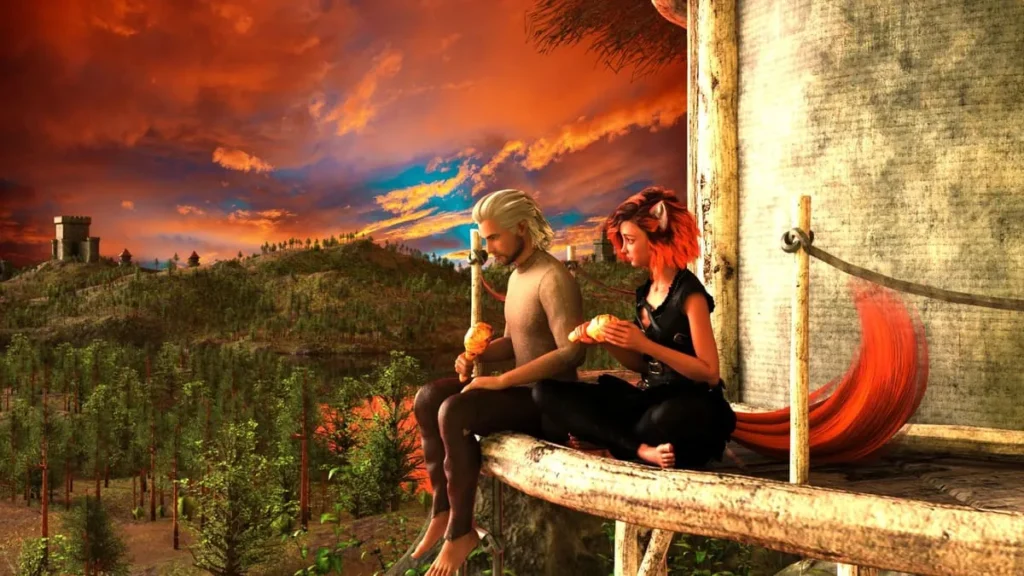
After the Inferno review
Explore the story, gameplay, and immersive world of this adult fantasy experience
After the Inferno stands out as a narrative-driven adult visual novel set in an original fantasy world. This game prioritizes storytelling and character development, offering players an immersive experience that blends rich world-building with voice acting and animated sequences. Whether you’re interested in visual novels, fantasy narratives, or interactive storytelling, understanding what After the Inferno delivers can help you determine if it matches your preferences. This guide explores the game’s core features, narrative structure, and what makes it a distinctive entry in the visual novel genre.
Understanding After the Inferno: Story, Setting, and Gameplay
Ever tried to explain a visual novel to a friend who only plays shooters or massive RPGs? 🎮 I have. You get this puzzled look, like you’ve just described watching a movie where you occasionally click. “So… it’s a book with pictures?” they ask. And for years, I’d struggle to articulate why that format can be more gripping than any blockbuster game. Then I played After the Inferno, and it became my go-to example. This isn’t just a story you read; it’s a fantasy world you inhabit, a character’s fate you steer, and an experience that perfectly demonstrates the power of modern visual novel gameplay mechanics.
This guide is for anyone curious about what makes this title tick. We’re diving deep into the After the Inferno story, exploring its rich world, and breaking down exactly how you interact with it. Forget any preconceptions—this is your portal to understanding a truly immersive fantasy world visual novel.
What Is After the Inferno and How Does It Work?
Let’s start with the basics. After the Inferno is, at its core, a digital narrative experience built in the visual novel format. Think of it as a hybrid between a graphic novel, a radio drama, and a “choose your own adventure” book, all brought to life on your screen. But to label it just that would be a disservice. It’s a fully-realized interactive storytelling game where your primary inputs are choices—dialogue selections, moral decisions, and relationship-defining moments that branch the narrative.
So, how does it work? You’ll spend most of your time reading beautifully written text that describes scenes, actions, and internal monologues, accompanied by stunning, evocative artwork that sets the scene and introduces characters. The prose does the heavy lifting of world-building and emotional depth, while the visuals and music immediately anchor you in the atmosphere. Periodically, the game presents you with a choice. These aren’t always earth-shattering “save the kingdom or burn it” decisions (though some might be!). Often, they’re subtle: a kind word versus a sarcastic retort, a show of trust versus cautious suspicion. This is where the magic happens. These choices are the core gameplay features of After the Inferno. They are the lever by which you, the player, pry open the narrative and make it your own.
The game masterfully balances its story-heavy foundation with animated sequences and special effects. We’re not talking full-blown cartoon animation, but subtle movements—a character’s hair swaying, the flicker of torchlight, a dramatic shift in the scene—that add a layer of dynamism and prevent the experience from feeling static. It’s a focused, narrative-driven journey where every element serves the story.
My Tip: Don’t rush. The joy in a game like this is in the immersion. Let the voice acting play out, soak in the background art, and really think about your choices. There’s no timer. Your power is in contemplation.
Here’s a quick list of what you can expect from the core After the Inferno experience:
* A Story-First Approach: The narrative is the main event. Everything exists to serve and enhance the plot and character arcs.
* Meaningful Choice-Driven Gameplay: Your decisions directly influence relationships, plot outcomes, and which ending you will see.
* High-Quality Production: Featuring professional voice acted visual novel segments, original music, and detailed character sprites and backgrounds.
* Focused Pacing: The game moves at the speed of a good novel, with tension built through dialogue and revelation rather than twitch-based action.
The Fantasy World and Narrative Foundation
Now, let’s talk about the stage where this all unfolds. After the Inferno isn’t set in a generic, Tolkien-esque landscape. It presents a fresh and compelling fantasy world visual novel setting that feels lived-in and ripe for exploration through text and image. You step into a realm recovering from a cataclysmic event—the “Inferno” of the title. This premise isn’t just backdrop; it’s the emotional and philosophical core of the entire After the Inferno story. The world is scarred, societies are rebuilding, and characters carry the weight of loss and survival. This immediate sense of history and consequence adds a profound depth to every interaction.
The narrative foundation is built on a classic, yet powerfully executed, heroic journey—with a few clever twists. You follow a protagonist drawn into a larger conflict, tasked with navigating political intrigues, ancient mysteries, and personal demons. What makes it exceptional is its commitment to a character-driven narrative. The grand fantasy plot is always filtered through the lens of the people living it. The political strife matters because you care about the queen caught in its web. The ancient magic is fascinating because of the scholar desperately trying to understand it. Your choices often revolve around how you connect with these individuals, building alliances, romances, or rivalries that feel genuine.
This is where the voice acted visual novel component shines like a beacon in the dark. 🎭 Hearing the characters speak—with nuance, emotion, and distinct personalities—elevates them from pixels and text to feeling like real companions (or adversaries). A voice can convey a decade of sorrow in a single sigh or a hidden smirk in a formal greeting, adding layers of subtext that pure text sometimes can’t. It’s the final, crucial piece that solidifies the immersion, making the fantasy world and its inhabitants truly resonant.
The After the Inferno story succeeds because it understands that in fantasy, the scale of the world is only as compelling as the hearts of those who walk its paths.
Visual Novel Mechanics and Interactive Elements
This is where we geek out on the “game” part of this interactive storytelling game. The visual novel gameplay mechanics in After the Inferno are elegant in their simplicity but deep in their impact. If the story is the destination, these mechanics are your steering wheel and map.
The primary interactive element is the choice system. At key junctures, the game will pause and present you with typically two or three options. These can range from simple dialogue picks to major ethical crossroads. The genius lies in how these choices are weighted. Some might offer an immediate, visible change in a character’s demeanor (noted by a shift in their sprite’s expression), while others plant seeds that only blossom hours later, affecting an alliance or unlocking a whole new story branch. This design creates a thrilling sense of agency. You’re not just watching a story about a hero; you’re deciding what kind of hero they are—compassionate, pragmatic, cunning, or ruthless.
This leads directly to the game’s superb replayability. A single playthrough of After the Inferno will take most players a satisfying number of hours to complete (comparable to reading a substantial novel). However, seeing everything the game has to offer requires multiple journeys. Those narrative branches we mentioned? They are substantial. Early, seemingly innocuous choices can lock or unlock entire scenes, character routes, and of course, different endings. This transforms the game from a one-and-done story into a narrative puzzle box you’re encouraged to solve, exploring the “what ifs” of your decisions.
Let’s break down the pacing and structure. The game is primarily narrative, but it’s smartly segmented. You’ll have stretches of pure storytelling and world-building, followed by intense choice sequences, and punctuated by those beautiful animated CGs (special illustrated scenes) that often mark major plot points or romantic moments. The interface is clean and intuitive, often including a backlog to re-read previous text, an auto-read mode, and save slots galore—essential tools for any serious fan of the genre.
To visualize how these elements come together to shape your unique experience, consider this flow:
| Gameplay Element | How It Works | Impact on Your Playthrough |
|---|---|---|
| Dialogue & Narrative Choices | Selecting from 2-3 responses during conversations. | Builds affinity with specific characters, unlocks personal storylines, and influences their later decisions. |
| Key Plot Decisions | Major story forks with significant consequences. | Directs the plot down radically different paths, leading to different challenges, allies, and endings. |
| Affinity & Relationship System | A hidden metric tracking your bond with other characters. | Determines the availability of romantic or deep friendship routes, and can affect which characters support you in crises. |
| Multiple Save Slots | Ability to save progress at almost any point. | Allows for strategic “save-scumming” to explore choice outcomes and is crucial for experiencing all narrative branches. |
The overall package, available on Steam, is tailored for adults not just in its thematic content, but in the maturity of its storytelling. It respects the player’s intelligence, presenting moral grey areas and complex character motivations without easy answers. This narrative depth is what truly separates it from many other visual novels; it uses the format’s potential for inner monologue and detailed exposition to build a world and characters of remarkable substance.
FAQ: Your Questions About After the Inferno Answered
Q: I’ve never played a visual novel before. Is After the Inferno a good place to start?
A: Absolutely! Its strong production values—especially the full voice acting—make it incredibly accessible and immersive. It’s a perfect example of what the modern format can do. If you enjoy fantasy stories and the idea of shaping a narrative, this is an ideal entry point. 🚪
Q: How “adult” is the content? Is it just about romance?
A: The “adult” label encompasses mature themes central to the After the Inferno story: survival, trauma, political violence, and complex relationships. While romantic routes are a significant and well-developed part of the character-driven narrative, they are optional components of a larger, gripping fantasy epic. The focus is on a mature story, first and foremost.
Q: How do my choices actually change the story? Are the differences minor?
A: The differences can be monumental. We’re talking about different character fates, uncovering unique plot revelations depending on who you align with, and entirely different ending sequences. The game features a robust branching structure, making your choices the most important gameplay feature.
Q: Is there a “right” or “wrong” way to play?
A: Not at all! The beauty of this interactive storytelling game is that there is no canonical path on your first try. The best approach is to role-play, make decisions that feel true to how you want the protagonist to act, and live with the consequences. You can always replay to see what you missed!
Q: How long is the game, and is it worth replaying?
A: A single, thorough playthrough can range significantly based on your reading speed and how many branches you naturally find, but it offers a substantial experience. And yes, the replay value is exceptionally high due to the locked content and divergent paths, encouraging you to revisit this rich fantasy world visual novel multiple times.
In the end, After the Inferno stands as a testament to the power of its genre. It proves that visual novel gameplay mechanics, when married to a compelling After the Inferno story, can create an adventure as impactful as any with polygons and physics engines. It’s a journey of recovery, choice, and connection in a broken world, and it invites you not just to witness it, but to leave your own mark upon it. Your decisions, your relationships, and your version of the tale are waiting.
After the Inferno represents a focused approach to visual novel design, emphasizing narrative depth and character development within an original fantasy setting. The game’s commitment to voice acting, animated sequences, and story-centric gameplay creates an experience that appeals to players seeking meaningful interactive narratives. Whether you’re exploring visual novels for the first time or looking for a story-heavy title with production values, After the Inferno offers a distinct experience that prioritizes world-building and character arcs. For those interested in this genre, exploring After the Inferno on Steam provides an opportunity to engage with contemporary visual novel design that balances artistic presentation with engaging storytelling.